
Product Description
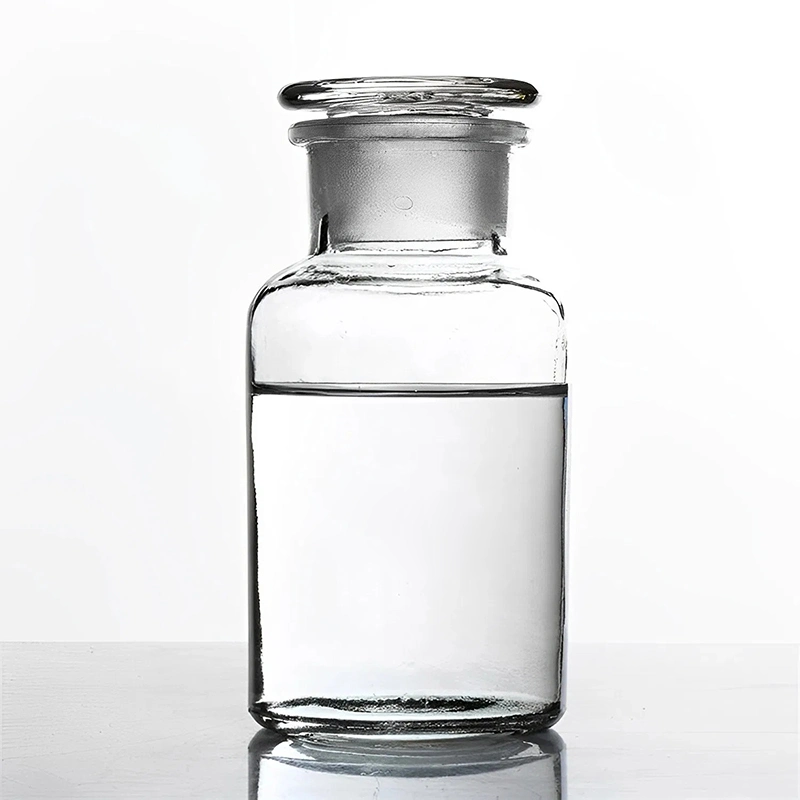
Polyethylene-polypropylene glycol (CAS No. 9003-11-6), commonly known as Pluronic® F-127, is a nonionic surfactant widely used in biological research and laboratory applications. It is particularly effective for dispersing and solubilizing hydrophobic compounds, including cell-permeable AM ester fluorescent indicators and membrane potential-sensitive probes.
By improving the solubility of hydrophobic dyes and facilitating their transport into cells, Pluronic® F-127 plays an important role in fluorescence-based experiments, calcium signaling studies, and cellular imaging applications.
The product is supplied as a convenient 10% aqueous solution, allowing direct use in experimental protocols and reducing the need for additional preparation steps. It is commonly applied for loading fluorescent indicators such as calcium-sensitive AM esters and other functional probes into cultured cells.
Due to its excellent solubilization ability, biological compatibility, and ease of use, polyethylene-polypropylene glycol is widely utilized in cell imaging, biochemical research, and advanced laboratory assay systems.
Polyethylene-polypropylene glycol Chemical Properties
| Melting point | 57-61 °C |
| Boiling point | >200 °C(lit.) |
| bulk density | 1050kg/m3 |
| density | 1.095 g/mL at 25 °C |
| vapor density | >1 (vs air) |
| vapor pressure | <0.3 mm Hg ( 20 °C) |
| refractive index | n20/D 1.466 |
| Fp | >230 °F |
| storage temp. | 2-8°C |
| solubility | H2O: at <70 °Csoluble |
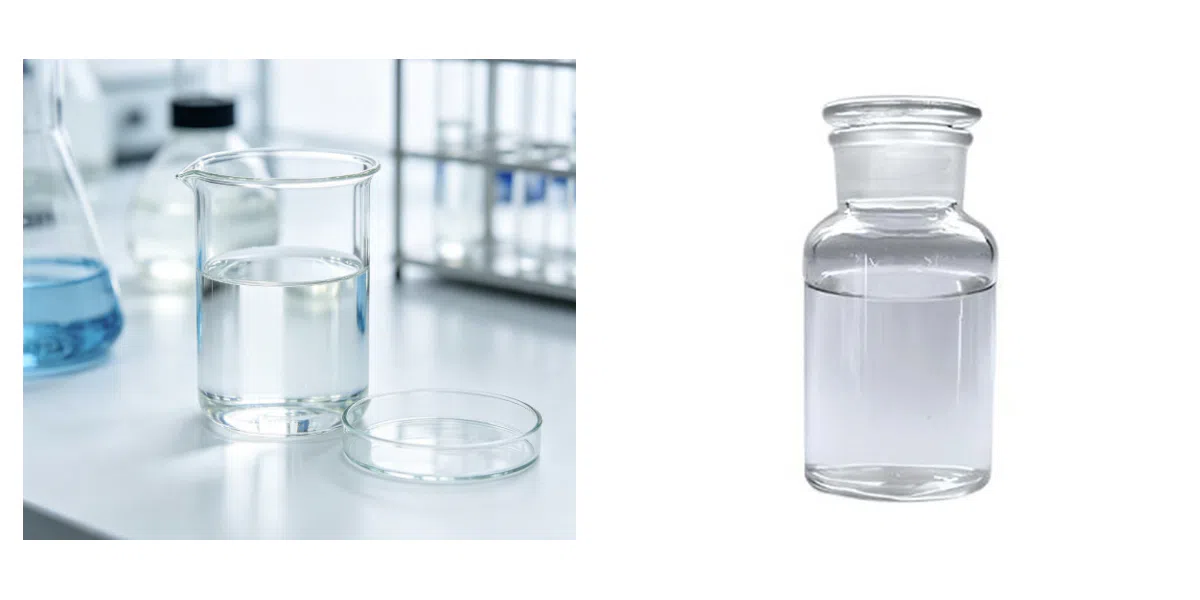
| form | solution |
| color | APHA: ≤120, 50/50 in CH3OH |
| PH | 5.0-7.5 (100g/L in H2O) |
| PH Range | 5.0 - 7.5 |
| biological source | synthetic |
| Water Solubility | Miscible with water. |
| λmax | λ: 260 nm Amax: ≤0.3 |
| λ: 280 nm Amax: ≤0..2 | |
| Merck | 137644 |
| Hydrophilic-Lipophilic Balance (HLB) | 18 - 23 |
| Cosmetics Ingredients Functions | SURFACTANT - CLEANSING |
| SURFACTANT - HYDROTROPE | |
| CLEANSING | |
| SOLVENT | |
| HUMECTANT | |
| EMULSION STABILISING | |
| BINDING | |
| SURFACTANT - EMULSIFYING | |
| VISCOSITY CONTROLLING | |
| InChI | 1S/C3H6O.C2H4O/c1-3-2-4-3;1-2-3-1/h3H,2H2,1H3;1-2H2 |
| InChIKey | RVGRUAULSDPKGF-UHFFFAOYSA-N |
| SMILES | O2C(C2)C.O1CC1 |
| LogP | -1.293 (est) |
| EPA Substance Registry System | Poloxalene (9003-11-6) |
Safety Information
| Hazard Codes | T |
| Risk Statements | 21-23/24/25-25-36/37/38 |
| Safety Statements | 23-24/25-45-36/37/39-26 |
| WGK Germany | 3 |
| RTECS | TP6164333 |
| TSCA | TSCA listed |
| HS Code | 39059100 |
| Storage Class | 11 - Combustible Solids |
| Hazardous Substances Data | 9003-11-6(Hazardous Substances Data) |
| Toxicity | LD50 oral in rabbit: 35gm/kg |
Applications of Polyethylene-Polypropylene Glycol CAS No. 9003-11-6
Polyethylene-polypropylene glycol is a nonionic block copolymer composed of polyoxyethylene (PEO) and polyoxypropylene (PPO) segments. Due to its amphiphilic structure, it exhibits excellent surfactant properties, with hydrophilic and hydrophobic groups that provide effective emulsification, solubilization, and stabilization performance.
Pharmaceutical Formulation Applications
Polyethylene-polypropylene glycol is widely used in pharmaceutical preparations as an emulsifier, solubilizing agent, and stabilizer. It helps improve the dispersion of poorly soluble ingredients and supports the formation of stable formulations.
Emulsification and Solubilization Performance
The balance between hydrophilic ethylene oxide units and hydrophobic propylene oxide units determines its surfactant characteristics. Different ratios of these components produce various grades with customized properties, allowing selection according to specific formulation requirements.
Medical and Cosmetic Formulation Uses
In pharmaceutical products, polyethylene-polypropylene glycol is commonly applied in intravenous lipid emulsions, oral liquid preparations, and other dosage forms where improved stability and clarity are required. It can also function as a wetting agent and is used in ointments, gels, suppository bases, and topical formulations.
Tablet and Specialty Formulation Applications
The compound may also be utilized as a binder, coating aid, and functional excipient in tablet manufacturing, contributing to improved processing performance and product consistency.
With its versatile surfactant properties, excellent compatibility, and broad formulation flexibility, polyethylene-polypropylene glycol plays an important role in pharmaceutical, cosmetic, and specialty chemical applications.