

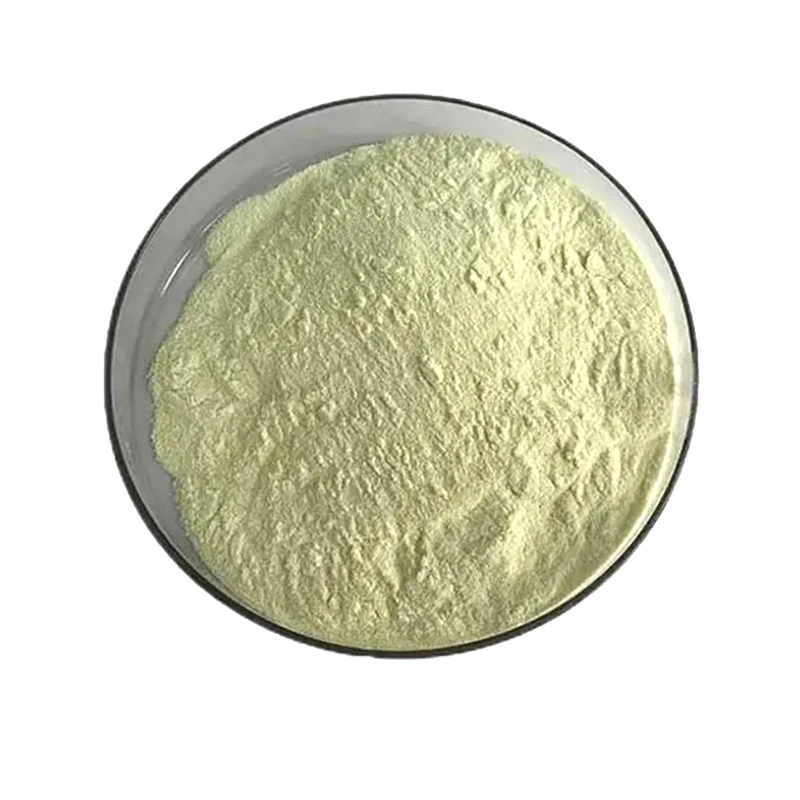
Product Description of Collagenase CAS#9001-12-1
Collagenase, also known as clostridial collagenase or clostridial peptidase, is a proteolytic enzyme produced through fermentation of Clostridium histolyticum. Medical-grade Collagenase is purified from the fermentation broth of Clostridium histolyticum ATCC 21000 and is characterized by its strong catalytic activity toward collagen-containing peptide sequences, particularly Gly-Pro bonds.
Unlike general proteases, Collagenase has a unique ability to break down the triple-helical structure of collagen, enabling the degradation of both natural collagen fibers and denatured collagen components. This property allows it to work effectively on necrotic tissue while supporting the action of other enzymes involved in tissue remodeling.
Due to its excellent collagen-targeting capability and favorable tissue compatibility, Collagenase is widely used in medical wound care, enzymatic debridement, scar and tissue research, and biotechnology applications. It is particularly valuable for the treatment and management of chronic skin ulcers, pressure ulcers, scabs, and second- and third-degree burns, where selective removal of damaged tissue is required while maintaining healthy surrounding structures.
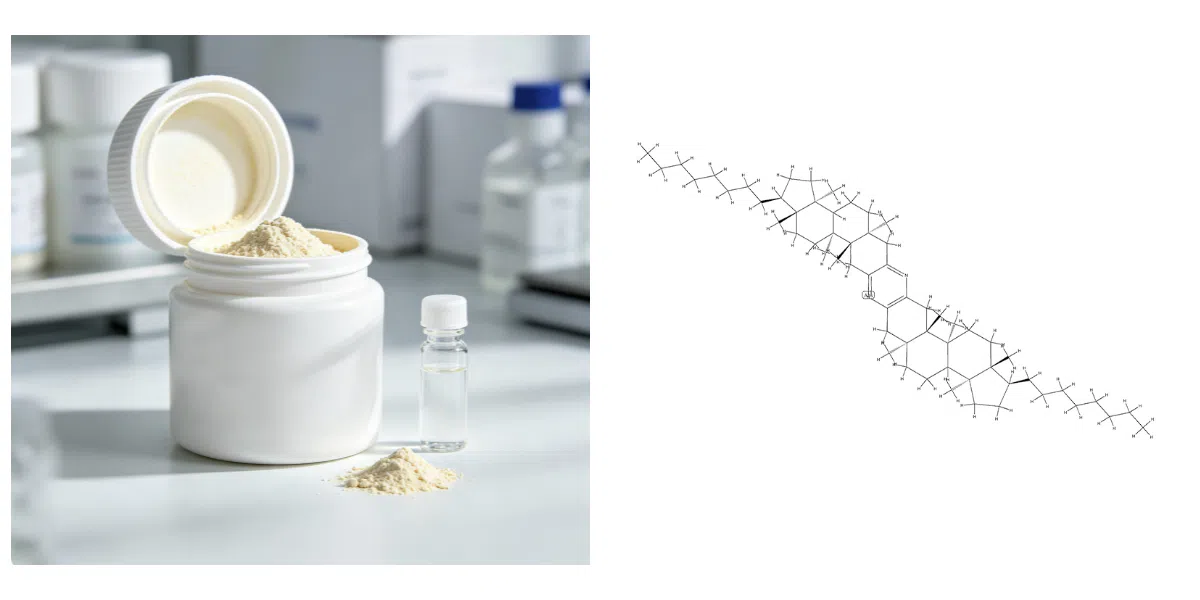
Collagenase Chemical Properties
| Storage temp | -20°C |
| Solubility | Soluble in aqueous buffers. |
| Form | powder |
| Color | light brown |
| PH | 7 |
| Merck | 2481 |
| InChIKey | YRQNKMKHABXEJZ-UVQQGXFZSA-N |
| CAS DataBase Reference | 9001/12/1 |
| EPA Substance Registry System | Collagenase (9001-12-1) |
| Hazard Codes | Xn |
| Risk Statements | 36/37/38-42 |
| Safety Statements | 22-24-26-36/37 |
| WGK Germany | 1 |
| F | 10-21 |
| HS Code | 3507907000 |
Product Application of Collagenase CAS#9001-12-1
1. Application in Wound Care and Tissue Repair
Collagen plays a critical role in wound healing and tissue remodeling as a major structural component of connective tissues. It supports cell proliferation, differentiation, tissue regeneration, and extracellular matrix formation, while also contributing to capillary growth and granulation tissue development. Collagenase can selectively break down damaged collagen structures, helping remove necrotic tissue and create favorable conditions for wound repair. It is widely studied and applied in the management of skin ulcers, chronic wounds, and tissue injuries, where it supports debridement and promotes the formation of healthy granulation tissue.
2. Contribution to Bone Structure and Mechanical Strength
Collagen is one of the most important organic components of bone tissue, accounting for a significant proportion of the bone matrix. During bone development, collagen fibers form the initial structural framework that supports mineral deposition. These collagen networks provide bones with essential strength, flexibility, and elasticity, helping maintain structural integrity and resistance to mechanical stress.
3. Role in Connective Tissue Support
Collagen is a fundamental component of connective tissue and plays an important role in maintaining tissue structure and mechanical support. Through interaction with other extracellular matrix components, collagen forms a three-dimensional network that contributes to firmness, stability, and overall tissue organization.
4. Importance in Skin Structure and Elasticity
Collagen is the primary structural protein in the dermis and is essential for maintaining skin strength, firmness, and elasticity. Together with elastin and other matrix components, collagen forms a supportive framework that helps the skin resist external stress while preserving flexibility and resilience. Its structural role makes collagen an important factor in skin health, tissue protection, and regenerative processes.
With its specific collagen-degrading activity, Collagenase is widely utilized in medical wound management, tissue engineering research, biotechnology, and collagen-related studies, providing valuable support for controlled collagen modification and tissue treatment applications.