
Product Description
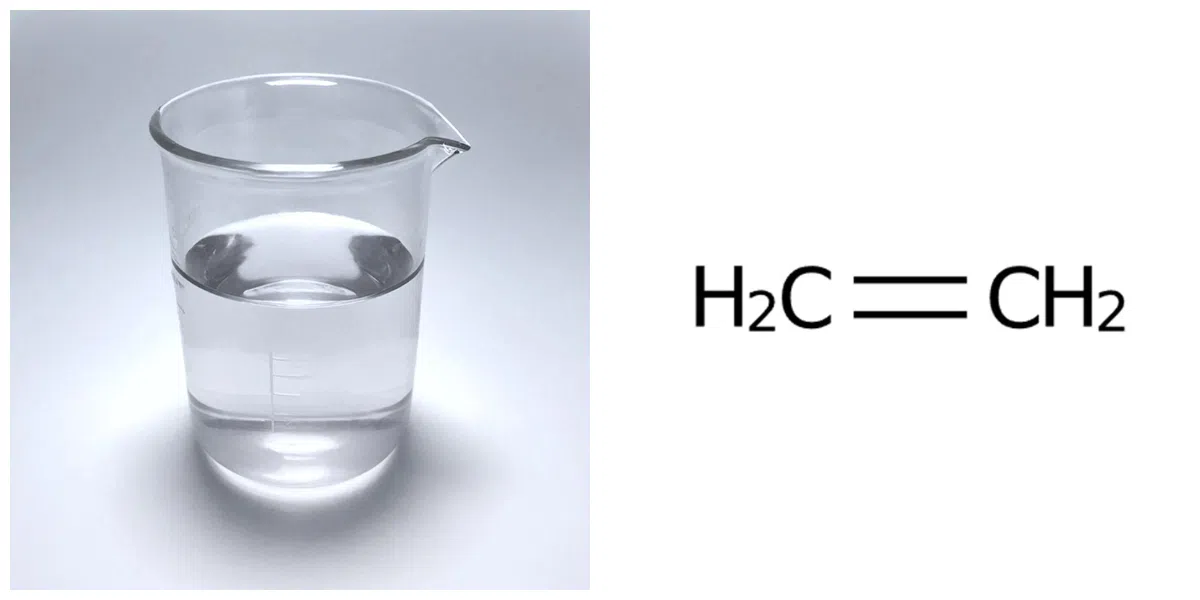
Ethylene (CAS No. 74-85-1) is the simplest member of the olefin family, consisting of two carbon atoms and four hydrogen atoms connected by a carbon–carbon double bond, with the chemical formula C₂H₄.
At room temperature, ethylene is a colorless, flammable gas with high chemical activity. It has a very low boiling point and is almost insoluble in water, while showing good solubility in organic solvents such as ether and acetone.
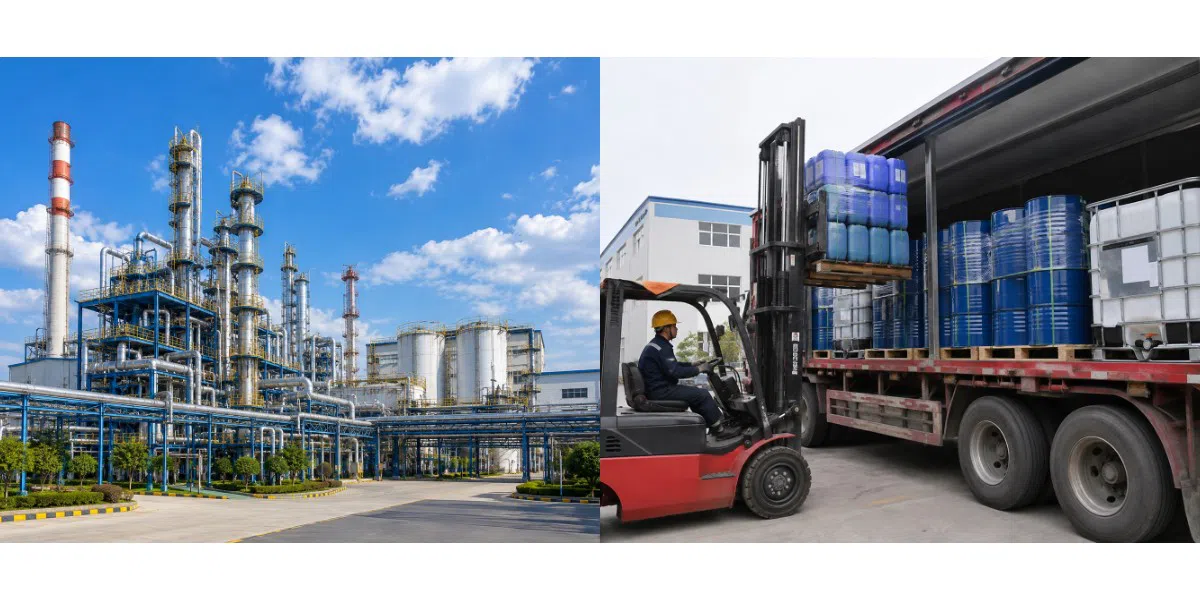
As a major raw material in the petrochemical industry, ethylene plays a central role in the production of polymer materials and chemical intermediates. It is widely used for manufacturing polyethylene, PVC, synthetic rubber, synthetic fibers, and other high-value chemical products.
Ethylene also has important biological functions in plants. As a natural plant hormone, it regulates growth and development processes, especially fruit maturation, leaf shedding, and physiological aging.
With its outstanding reactivity, broad industrial applications, and essential role in both chemical manufacturing and plant science, ethylene remains one of the most important building blocks in the global chemical industry.
Chemical Properties
| Melting point | -169 °C(lit.) |
| Boiling point | -104 °C(lit.) |
| Density | 0.00126 |
| Vapor density | 0.97 (vs air) |
| Vapor pressure | 35.04 atm (20 °C) |
| Refractive index | 1.363 |
| Flash point | -100°C |
| State | colorless gas |
| Explosive limits | 36% |
| Water solubility | 90.91g/L(25 °C) |
| Specific heat capacity | Cp(gas): 1.53 J/(g-K), at 25℃ |
| Freezing point | -169.4°℃ |
| Merck | 133,825 |
| BRN | 1730731 |
| Henry's Law Constant | 5.9x10⁻⁵ mol/(m3Pa) at 25°C, Burkholder et al. (2019) |
| Stability | Stable. Highly flammable – note the wide explosion limits. Incompatible with strong oxidizers. Easily forms explosive mixtures with air. |
| InChI | 1S/C2H4/c1-2/h1-2H2 |
| InChIKey | VGGSQFUCUMXWEO-UHFFFAOYSA-N |
| SMILES | C=C |
Applications of Ethylene
Ethylene is a fundamental petrochemical feedstock and one of the most widely used basic raw materials in the chemical industry. Due to its high reactivity and versatile conversion capability, it serves as an essential starting material for the production of polymers, synthetic materials, and various organic chemicals.
Synthetic Material Production
Ethylene is extensively used in the manufacture of polyethylene (PE), polyvinyl chloride (PVC), ethylene-propylene rubber, polystyrene, and other polymer products. These materials are widely applied in packaging, construction, automotive, electronics, and daily consumer products.
Petrochemical Derivative Manufacturing
As a key intermediate in petrochemical processing, ethylene is used to produce important chemical derivatives such as vinyl chloride, ethylbenzene, styrene, and other compounds required for advanced material production.
Organic Chemical Synthesis
Ethylene plays an important role in organic synthesis and serves as a raw material for producing ethylene oxide, ethanol, ethylene glycol, acetaldehyde, acetic acid, propionaldehyde, propionic acid, and other valuable chemical intermediates.
Industrial Chemical Applications
With its broad chemical versatility, ethylene supports the production of numerous industrial chemicals and functional materials, making it a core component of modern petrochemical manufacturing.
Thanks to its extensive applications, high industrial value, and importance in polymer and chemical production, ethylene remains one of the most significant building blocks in the global chemical industry.