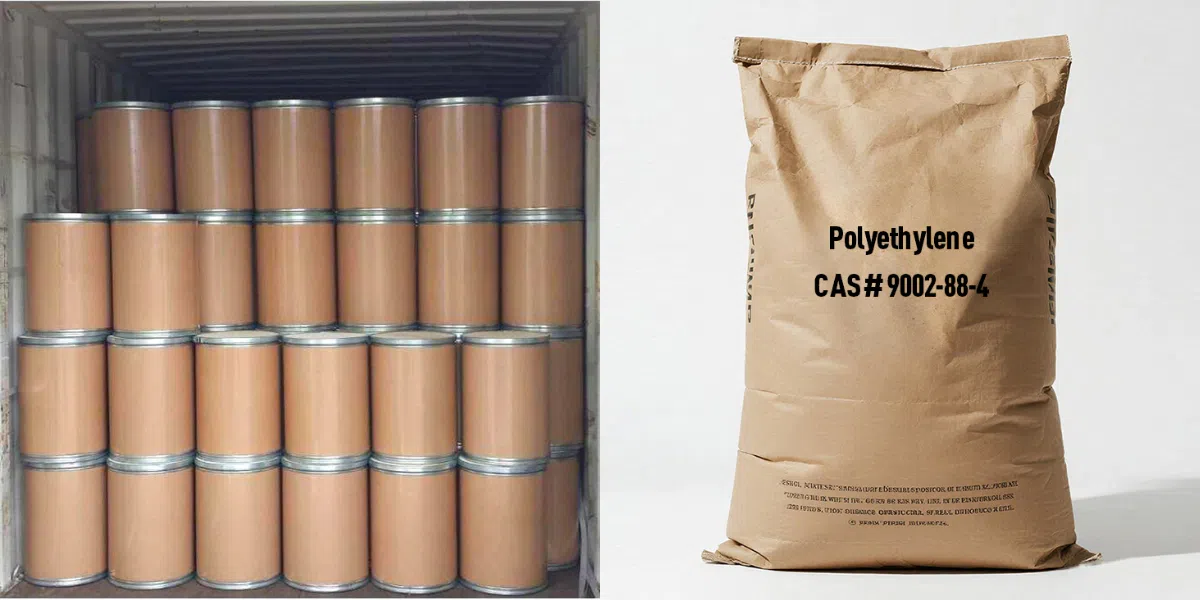

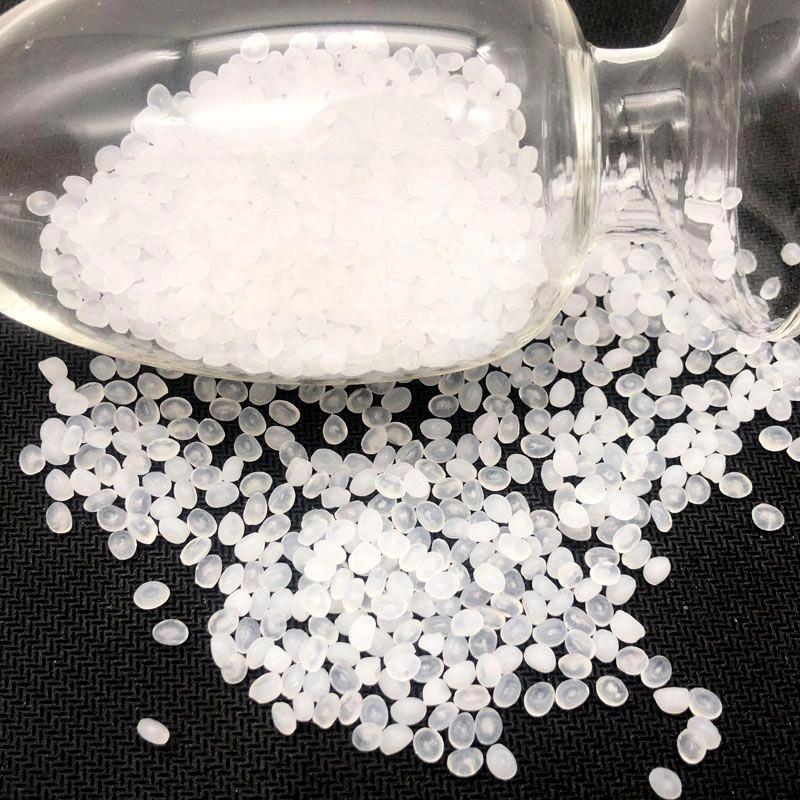
Product Description of Polyethylene (PE)
Polyethylene (PE) is a widely used high-performance thermoplastic polymer and one of the largest-volume plastics produced globally. Its excellent chemical stability, processability, and mechanical properties have made it an essential material across numerous industries.
Low-density polyethylene (LDPE) is mainly used in flexible applications, including films, packaging materials, and protective coatings. High-density polyethylene (HDPE) offers higher rigidity and strength, making it suitable for bottles, containers, pipes, and fiber production for products such as ropes and nets.
Ultra-high molecular weight polyethylene (UHMWPE) represents an advanced grade with exceptional wear resistance, impact strength, fatigue durability, and low moisture absorption. Due to these superior characteristics, UHMWPE is widely applied in engineering fields where long service life and reliable performance are required, including textile machinery components, industrial parts, and high-wear applications
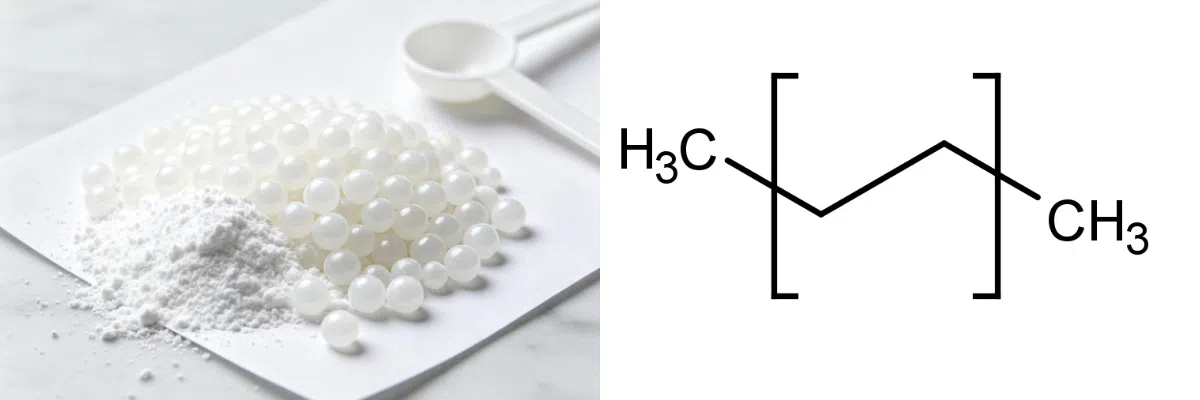
Polyethylene CAS# 9002-88-4 Chemical Parameters
| English Name | Polyethylene |
| English Synonyms | pad522;pe512;pe617;pen100;pep211;pes100;pes200;petrothene |
| CAS Number | 9002-88-4 |
| Molecular Formula | (C2H4) n |
| Molecular Weight | 28.05316 |
| EINECS Number | 618-339-3 |
| Melting point | 92 °C |
| Boiling point | 48-110 °C (Press: 9 Torr) |
| Density | 0.962 g/mL at 25 °C |
| Refractive index | 1.51 |
| Flash point | 270℃ |
| Storage conditions | -20℃ |
| Form | Powder |
| Color | White |
| Specific gravity | 0.95 |
| Biological origin | rabbit |
| Water solubility | Soluble in acetone and benzene. Insoluble in water. |
| Merck value | 147,567 |
| Dielectric constant | 2.2 (Ambient) |
| Stability | Stable, but slowly decomposes under UV light or sunlight. Incompatible with halogens, strong oxidizers, benzene, petroleum ether, aromatic hydrocarbons and chlorinated hydrocarbons, and lubricating oils. |
| Surface tension | 35.7 mN/m at 20°C |
Product Application of Polyethylene (PE)
Polyethylene (PE) is a thermoplastic polymer produced through the addition polymerization of ethylene. Its molecular structure consists solely of carbon and hydrogen atoms, giving it excellent chemical stability, non-toxicity, and reliable performance across a wide range of environments.
With outstanding low-temperature resistance, polyethylene can maintain stable properties even under temperatures as low as approximately -100°C. Its excellent processability allows it to be manufactured into a variety of products, including plastic films, cable insulation and sheathing materials, pipes, hollow containers, injection-molded components, and synthetic fibers.
Due to its versatility, durability, and cost-effectiveness, polyethylene is extensively used in numerous industries, including agricultural materials, packaging solutions, automotive components, construction applications, and general industrial products.