Product Description
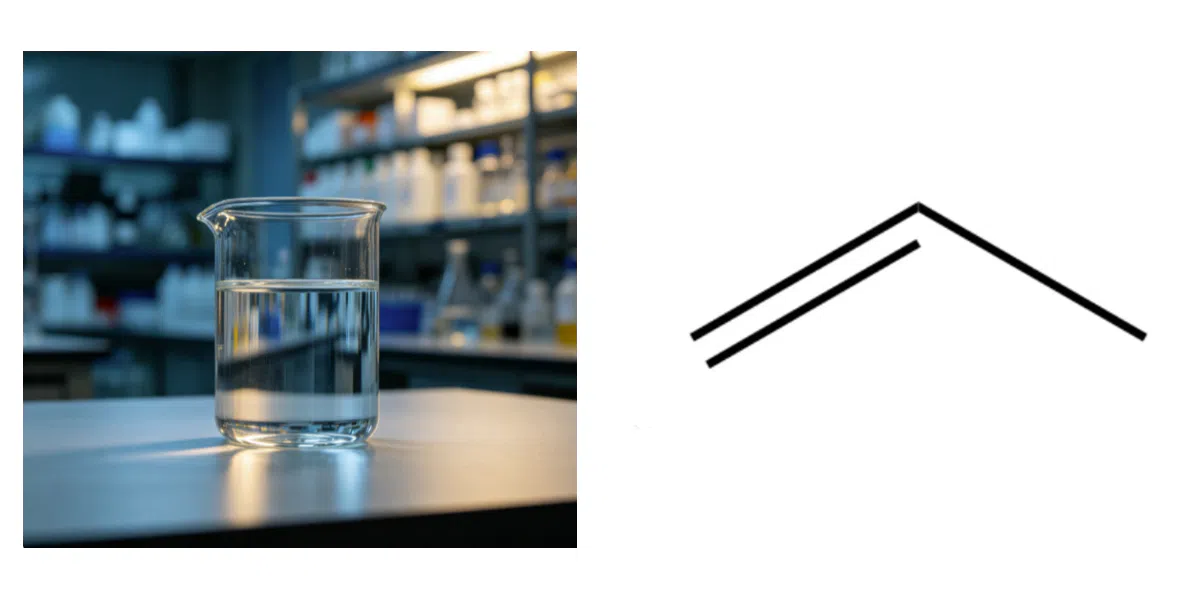
Propylene (CAS No. 115-07-1), also known as propene, is an unsaturated hydrocarbon belonging to the olefin family. Its molecular formula is C₃H₆, with a structural formula of CH₂=CHCH₃. It is one of the most important basic petrochemical raw materials after ethylene and benzene.
Propylene is mainly obtained from petroleum refining processes, including steam cracking and catalytic cracking, and can also be recovered as a byproduct during the production of ethylene from light hydrocarbons.
The presence of a carbon–carbon double bond gives propylene high chemical activity, allowing it to undergo various addition reactions with hydrogen, halogens, hydrogen halides, and other compounds. It can also undergo polymerization to form valuable polymer materials.
As a core petrochemical intermediate, propylene plays a vital role in the production of polypropylene, acrylonitrile, propylene oxide, acetone, ethylene-propylene rubber, and other synthetic materials. Its broad reactivity and diverse conversion pathways make it an essential raw material supporting modern chemical, plastics, fiber, and rubber industries.
Chemical Properties
| Melting point | -185 °C(lit.) |
| Boiling point | -47.7 °C(lit.) |
| Density | 1.49 |
| Vapor density | 1.48 (vs air) |
| Vapor pressure | 15.4 atm (37.7 °C) |
| Refractive index | 1.3567 |
| Flash point | -108°C |
| Acidity coefficient (pKa) | 43(at 25°C) |
| Form | colorless gas |
| Explosion limits | 11.10% |
| Odor threshold | 13ppm |
| Water solubility | 0.33g/L(25 °C) |
| Thermal conductivity | 0.11 W/(m-K) |
| Freezing point | -185.25℃ |
| Merck | 137,941 |
| BRN | 1696878 |
| Henry's Law Con stant | 5.6x10⁻⁵ mol/(m3Pa) at 25℃, Plyasunov and Shock (2000) |
| Dielectric constant | 1.9 (20℃) |
| Stability | Stable. Highly flammable. Easily forms explosive mixtures with air. Incompatible with strong oxidizers, strong acids, and halogens. |
| InChI | 1S/C3H6/c1-3-2/h3H,1H2,2H3 |
| InChIKey | QQONPFPTGQHPMA-UHFFFAOYSA-N |
| SMILES | CC=C |
| LogP | 1.77 at 20℃ |
Applications of Propylene
Propylene is a fundamental petrochemical feedstock widely used in the production of a variety of chemical intermediates, polymers, and specialty chemicals. Its excellent chemical reactivity allows it to participate in oxidation, amination, chlorination, alkylation, hydration, and polymerization reactions, supporting numerous industrial applications.
Chemical Intermediate Production
Through controlled oxidation processes, propylene can be converted into acrolein, which serves as an important intermediate for producing acrylic acid, allyl alcohol, glyceraldehyde, hydroxyacetaldehyde, and methionine used in food and feed applications.
Acrylonitrile and Synthetic Material Manufacturing
Propylene undergoes ammoxidation to produce acrylonitrile, a key raw material for manufacturing synthetic fibers, synthetic rubber, plastics, and other advanced polymer materials.
Chlorination and Specialty Chemical Applications
Chlorination of propylene produces chlorinated intermediates that can be further processed into allyl alcohol, propylene dichlorohydrin, chloropropionitrile, and other valuable compounds. These derivatives are widely used in the production of glycerin, epoxy resins, chlorinated rubber, surfactants, and specialty chemicals.
Phenol and Acetone Production
Propylene is utilized in alkylation reactions to produce cumene, an essential intermediate for phenol manufacturing. Acetone is generated as a valuable co-product during this process and is widely used in solvents, coatings, and chemical synthesis.
Organic Chemical Synthesis
Through oxo synthesis, propylene produces n-butyraldehyde and isobutyraldehyde, which serve as important intermediates for plasticizers, dyes, solvents, pesticides, and other organic compounds.
Alcohol and Polymer Applications
Hydration of propylene produces isopropyl alcohol, which can be further converted into acetone, isopropylamine, and various isopropyl esters. In addition, propylene can undergo dimerization, trimerization, polymerization, and tetramerization reactions to produce polypropylene, propylene oligomers, higher olefins, and dodecene, an important raw material for surfactant production.
With its versatile chemical properties and extensive downstream applications, propylene plays a critical role in modern petrochemical manufacturing, polymer production, and specialty chemical industries.