Chemical Engineering is a key engineering discipline that connects chemistry, materials, energy, and industrial manufacturing. It focuses on transforming chemical raw materials into commercially valuable products through processes such as chemical reactions, separation, mixing, heat transfer, mass transfer, purification, and process control.
Chemical engineering is widely applied across basic chemicals, petrochemicals, specialty chemicals, pharmaceuticals, food and beverage, materials, energy, water treatment, environmental protection, and new energy. It provides essential technical support for modern industrial production.
1. Basic Chemicals
Basic chemicals are one of the core application areas of chemical engineering.
Chemical engineering technologies are used to manufacture and process a wide range of chemical products, including:
· Acids
· Alkalis
· Alcohols
· Solvents
· Inorganic salts
· Organic compounds
· Chemical intermediates
Through reaction engineering, separation processes, and process control, manufacturers can improve production efficiency, product purity, and operational safety.
2. Petrochemical Industry
The petrochemical industry uses crude oil, natural gas, and their derivatives to produce a wide variety of chemical raw materials.
Chemical engineering technologies are widely used in:
· Oil refining
· Cracking
· Distillation
· Catalytic reactions
· Polymerization
· Gas separation
· Petrochemical purification
Ethylene, propylene, aromatics, and various polymer raw materials all rely heavily on chemical engineering processes.
3. Plastics and Polymers
Chemical engineering plays a critical role in the production of plastics and polymer materials.
Through polymerization, modification, compounding, and extrusion processes, manufacturers can produce:
· PE
· PP
· PVC
· PS
· ABS
· Engineering plastics
· Functional polymers
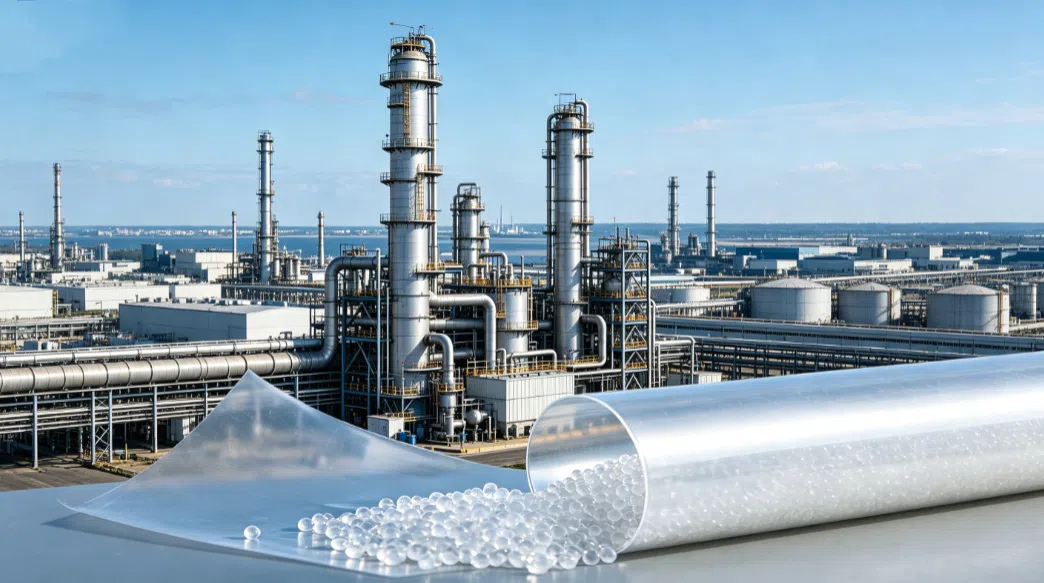
For example, LDPE is produced through polymerization processes and can subsequently be processed into films, packaging materials, agricultural films, and other plastic products.
4. Specialty Chemicals
Specialty chemicals focus on products with high purity, high added value, and specialized applications.
Chemical engineering technologies are used to manufacture:
· Specialty chemicals
· Surfactants
· Water treatment chemicals
· Coating additives
· Adhesives
· Electronic chemicals
· Functional materials
Specialty chemical production typically requires precise control of reaction conditions, impurity levels, and product consistency.
5. Pharmaceutical Industry
The pharmaceutical industry is an important application area for chemical engineering.
Chemical engineering is used in the industrial production of pharmaceutical ingredients, pharmaceutical intermediates, and formulations, including:
· Chemical synthesis
· Reaction control
· Extraction
· Filtration
· Crystallization
· Drying
· Purification
· Continuous manufacturing
During pharmaceutical production, temperature, pressure, purity, impurities, and manufacturing conditions must be carefully controlled.
6. Food and Beverage
The food industry also relies on various chemical engineering and process engineering technologies.
Common applications include:
· Food additive production
· Beverage concentration
· Food drying
· Fermentation
· Filtration
· Separation
· Evaporation
· Cooling
The industrial production of products such as Citric Acid and Glycerol also involves processes such as fermentation, separation, purification, and quality control.
7. Water Treatment and Environmental Protection
Water treatment is another important application of chemical engineering.
Chemical reactions, adsorption, membrane separation, precipitation, filtration, and ion exchange can be used to treat industrial wastewater, municipal wastewater, and process water.
Major applications include:
· Industrial water treatment
· Cooling water treatment
· Boiler water treatment
· Wastewater treatment
· Reverse osmosis
· Membrane separation
· Desalination
· Sludge treatment
Water treatment chemicals such as HEDP, ATMP, PBTC, and DTPMP can also be used in industrial water treatment systems for functions including scale inhibition, dispersion, and chelation.
8. New Energy and Batteries
With the rapid development of the new energy industry, chemical engineering is becoming increasingly important in battery and energy-storage material manufacturing.
Applications include:
· Battery material production
· Electrolyte manufacturing
· Electrode material processing
· Coating
· Drying
· Solvent recovery
· Battery recycling
Chemical engineering helps optimize manufacturing processes, improve material utilization, and maintain consistent product quality.
9. Paints, Coatings, Inks, and Adhesives
Chemical engineering technologies are used in resin synthesis, formulation, mixing, dispersion, emulsification, and product purification.
Proper formulation and process control can improve:
· Adhesion
· Wear resistance
· Corrosion resistance
· Flexibility
· Stability
· Surface performance
These materials are widely used in construction, automotive manufacturing, packaging, electronics, and industrial applications.
10. Rubber and Elastomers
The rubber industry involves various chemical engineering processes, including polymerization, compounding, modification, and vulcanization.
Chemical engineering technologies help control:
· Polymerization reactions
· Molecular weight
· Additive dispersion
· Material mixing
· Heat treatment
· Final material performance
The resulting materials are used in tires, seals, industrial hoses, automotive components, and other rubber products.
11. Electronics and Semiconductors
Semiconductor manufacturing requires extremely high levels of chemical purity and process control.
Chemical engineering technologies are applied to:
· High-purity chemical production
· Wafer cleaning
· Etching
· Photolithography
· Deposition
· Gas purification
· Chemical mechanical polishing
Electronic chemicals often require strict control of metal ions, particles, moisture, and other trace impurities.
12. Energy, Oil, and Natural Gas
Chemical engineering plays an important role in the energy industry, including:
· Petroleum refining
· Natural gas processing
· Gas separation
· Hydrogen production
· Carbon capture
· Fuel production
· Energy material manufacturing
By optimizing reaction and separation processes, chemical engineering can improve energy efficiency and help reduce operating costs and emissions.
13. Construction Materials
Chemical engineering is also applied to cement, concrete, insulation materials, sealants, and construction coatings.
For example, polyurethane materials can be produced through controlled chemical reactions to provide insulation, thermal resistance, and sealing properties. Cellulose derivatives can also be used in construction formulations such as mortar, wall putty, and tile adhesives.
14. Core Chemical Engineering Technologies
Chemical engineering typically involves several key technologies:
Reaction Engineering
Controls chemical reactions and reaction conditions to achieve efficient and consistent production.
Separation Engineering
Uses distillation, extraction, filtration, adsorption, and membrane separation to improve product purity.
Heat and Mass Transfer
Optimizes the transfer of heat and materials throughout industrial processes.
Process Control
Uses automation and control systems to manage temperature, pressure, flow rate, and other production parameters.
Process Safety
Helps reduce risks associated with high temperatures, high pressures, flammable materials, corrosive chemicals, and other industrial hazards.


