
Product Description of Polyurethane CAS#9009-54-5
Polyurethane is a versatile polymer material synthesized primarily through the reaction of isocyanates and polyols. Commonly used isocyanate components include toluene diisocyanate (TDI), hexamethylene diisocyanate (HDI), and dicyclohexylmethane diisocyanate (HMDI).
Depending on the chemical structure, isocyanates can exist in different physical forms. Many aliphatic and aromatic isocyanates are available as low-viscosity liquids at room temperature, while compounds such as 4,4′-diphenylmethane diisocyanate (MDI) are typically found as crystalline solids.
Compared with aliphatic isocyanates, aromatic isocyanates generally provide higher reaction activity, making them widely used in polyurethane foam production, coatings, elastomers, and other polymer systems. The rigid aromatic or cyclic structures within polyurethane chains further improve material strength, hardness, and overall mechanical performance.
Due to its excellent versatility and adjustable properties, polyurethane is an important material used across construction, automotive, furniture, electronics, coatings, and specialty material industries.
Polyurethane Chemical Properties
| English Name | Polyurethane |
| English Synonyms | Polyisocyanurate resins;Polyurethanes, cellular;PU foam;The following companies react isocyanates or prep olymers with polyols to produce polyurethane foams. The list is incomplete.;POLYURETHANEOLIGOMERS;P OLYURETHANEVARNISH;POLYURETHANELACQUER;Polyurethane foam: (Urethane polymers) |
| CAS Number | 9009-54-5 |
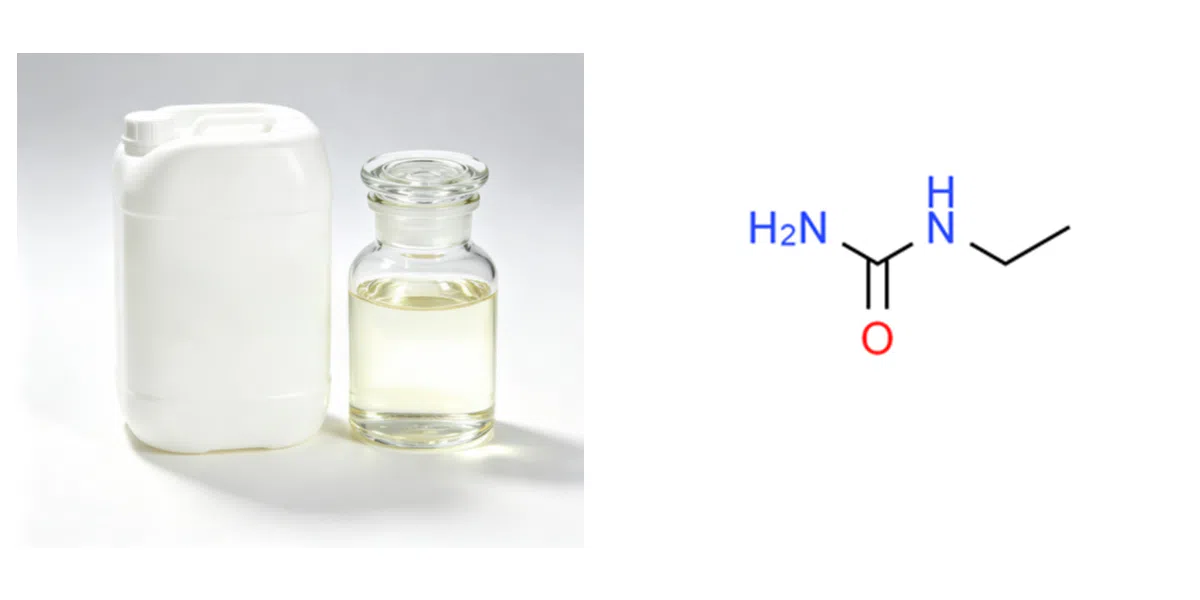
| Molecular Formula | C3H8N2O |
| Molecular Weight | 0 |
| EINECS Number | 210-898-8 |
| bulk density | 0.08g/cm3 |
| form | foam |
| Stability: | Stable. Combustible. Incompatible with strong oxidizing agents. |
| InChI | InChI=1S/C3H8N2O/c1-2-5-3(4)6/h2H2,1H3,(H3,4,5,6) |
| InChIKey | RYECOJGRJDOGPP-UHFFFAOYSA-N |
| SMILES | N(CC)C(N)=O |
| CAS DataBase Reference | 9009-54-5 |
| IARC | 3 (Vol. 19, Sup 7) 1987 |
Product Application of Polyurethane CAS#9009-54-5
Polyurethane is a highly versatile polymer material widely used across various industries due to its excellent mechanical strength, flexibility, durability, and chemical resistance. It is applied in medical fields, including the production of prosthetic components and internal support materials, as well as in numerous industrial and consumer products.
Polyurethane resins and foams are available in rigid, semi-rigid, and flexible forms, allowing them to meet different performance requirements. These materials are extensively used in applications such as furniture, mattresses, automotive components, sealing materials, adhesives, carpets, packaging, protective coatings, and insulation materials.
With outstanding resistance to oil, solvents, abrasion, and environmental conditions, polyurethane provides long-lasting performance and design flexibility. It is typically produced through polyaddition reactions between diisocyanates and polyhydroxyl compounds (such as polyols), forming polymer structures with adjustable properties for a wide range of applications.
Due to its excellent adaptability and comprehensive performance, polyurethane has become an essential material in automotive, construction, medical, electronics, household, and specialty industrial applications.