Product Description of Polyurethane (PU)
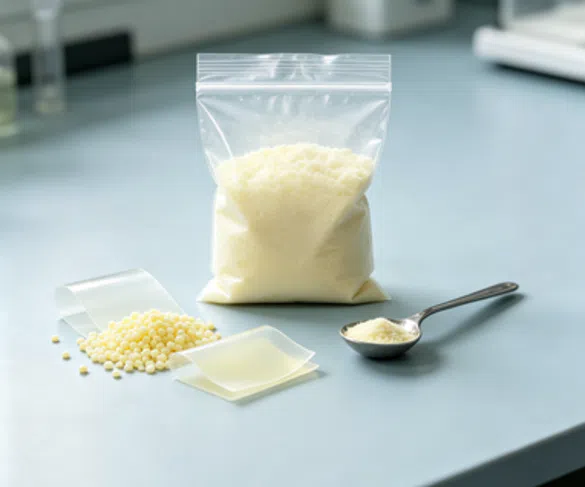
Polyurethane (PU) is a high-performance polymer material widely used in foams, adhesives, coatings, elastomers, and other specialty products. It is typically produced through the condensation reaction of polyisocyanates and polyols, forming a polymer structure containing urethane groups.
Due to its excellent mechanical properties, chemical resistance, and processing flexibility, polyurethane has become one of the most important synthetic materials in modern industry.
Main Application Areas of Polyurethane
1. Polyurethane Foam Materials
Polyurethane foams are produced from diisocyanates, polyether or polyester polyols, catalysts, blowing agents, and foam stabilizers. Depending on the formulation, they can be manufactured into flexible foams or rigid foams.
Rigid and flexible polyurethane foams offer excellent properties such as thermal insulation, sound absorption, oil resistance, low-temperature resistance, and cushioning performance. They are widely used in building insulation, refrigeration materials, soundproof structures, protective packaging, furniture cushioning, filtration systems, and shock-absorbing materials.
2. Polyurethane Adhesives
Polyurethane adhesives are widely used due to their excellent bonding strength and durability. They provide strong adhesion to various substrates, including metals, glass, plastics, ceramics, and composite materials.
After curing, polyurethane adhesives exhibit excellent resistance to water, oils, environmental aging, and mechanical stress, making them suitable for applications in construction, automotive manufacturing, machinery, aerospace, and industrial assembly.
3. Polyurethane Coatings
Polyurethane coatings are produced by combining different types of isocyanates with polyesters, polyethers, or polyols. They are available in one-component and two-component systems, including moisture-curing, blocked, and modified formulations.
These coatings provide excellent adhesion, wear resistance, insulation properties, chemical resistance, water resistance, and weather durability. They are widely used in construction materials, industrial equipment, aircraft components, furniture, protective coatings, and chemical processing facilities.
4. Polyurethane Elastomers
Polyurethane elastomers combine the flexibility of rubber with the processing advantages of plastics. They are available in cast elastomers, thermoplastic elastomers, and molded systems.
These materials feature excellent abrasion resistance, oil resistance, aging resistance, impact strength, and low-temperature flexibility. They are widely applied in automotive components, transmission belts, industrial rollers, electrical cables, oilfield equipment, mining machinery, and high-performance engineering parts.
With its outstanding versatility, customizable performance, and broad application range, polyurethane has become an essential material in construction, transportation, electronics, automotive, medical, industrial manufacturing, and advanced material industries.