
Product Description
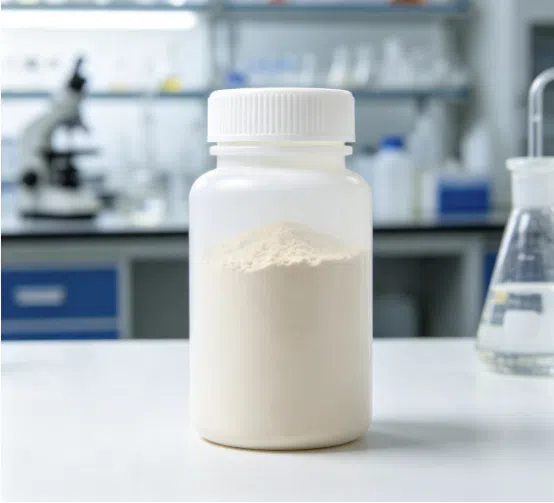
Pancreatin (CAS No. 8049-47-6) is a natural enzyme preparation obtained from the pancreas of animals such as pigs or cattle. It is composed of multiple digestive enzymes, primarily including pancreatic amylase, protease, and lipase, which work together to assist in the breakdown of carbohydrates, proteins, and fats.
The enzyme complex demonstrates strong hydrolytic activity and is capable of converting starch and protein substrates into smaller, more soluble compounds. Its enzymatic performance is most effective under neutral or slightly alkaline conditions, while extreme acidic or alkaline environments may reduce its activity.
Pancreatin also contains inactive enzyme precursors, including trypsinogen, chymotrypsinogen, and carboxypeptidase precursors, which can be activated under appropriate biological conditions to provide additional enzymatic functions.
Due to its multifunctional enzyme profile, pancreatin is widely used in pharmaceutical formulations, digestive enzyme preparations, food processing, and biochemical research. It is commonly applied for enzymatic hydrolysis, nutrient breakdown studies, and the preparation of hydrolyzed products.
With its natural origin, broad enzyme spectrum, and reliable catalytic performance, pancreatin remains an important enzyme ingredient in digestive health, biotechnology, and industrial applications.
Pancreatin Chemical Properties
| Bulk density | 400kg/m3 |
| Density | 1.4-1.52 |
| Vapor pressure | 0Pa at 25℃ |
| Storage temp | -20°C |
| Solubility | Soluble or partly soluble in water forming a slightly turbid solution; practically insoluble in ethanol (96%) and in ether . |
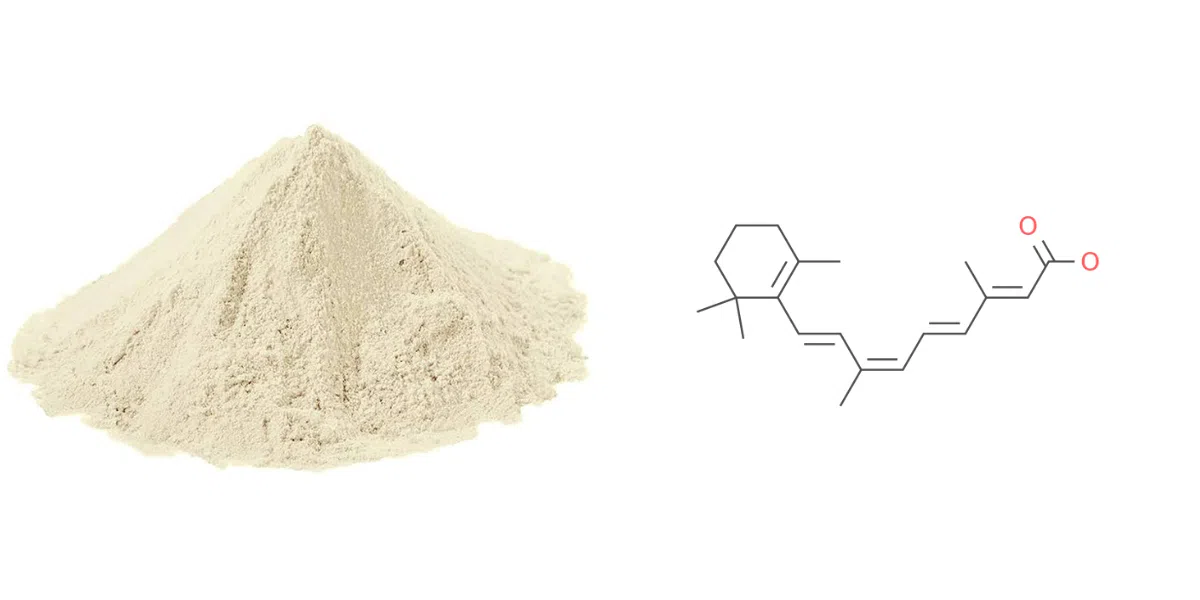
| Form | powder |
| Color | beige |
| PH | 5-6 (20°C, 10g/L in H2O) |
| Biological source | Porcine pancreas |
| Water Solubility | Soluble in water. Insoluble in alcohol and ether. |
| Merck | 137075 |
| Specific Activity | 8× USP specifications |
| Stability | Stable. Incompatible with alcohols, strong acids. |
| Cosmetics Ingredients Functions | HAIR CONDITIONING |
| SKIN CONDITIONING | |
| LogP | -1.3 at 20℃ and pH5.7-5.8 |
| EPA Substance Registry System | Pancreatin (8049-47-6) |
Safety Information
| Hazard Codes | Xn |
| Risk Statements | 36/37/38-42-42/43 |
| Safety Statements | 22-24-26-36/37-37/39 |
| WGK Germany | 1 |
| RTECS | RT9033000 |
| F | 46091 |
| Autoignition Temperature | >360°C |
| TSCA | TSCA listed |
| HS Code | 35079090 |
| Storage Class | 13 - Non Combustible Solids |
| Hazard Classifications | Eye Irrit. 2 |
| Resp. Sens. 1 | |
| Skin Irrit. 2 | |
| Skin Sens. 1 | |
| STOT SE 3 | |
| Hazardous Substances Data | 8049-47-6(Hazardous Substances Data) |
| Toxicity | LD50 orl-rat: >10 g/kg YACHDS 3,2427,75 |
Applications of Pancreatin CAS No. 8049-47-6
Pancreatin is a multifunctional digestive enzyme preparation widely used in pharmaceutical, biotechnology, and biochemical applications due to its combined amylase, protease, and lipase activities.
Digestive Enzyme and Pharmaceutical Applications
Pancreatin helps break down carbohydrates, proteins, and fats through enzymatic hydrolysis. It is commonly used in digestive enzyme formulations to support the management of conditions associated with insufficient pancreatic enzyme secretion, including pancreatic insufficiency, pancreatitis, post-pancreatectomy conditions, and cystic fibrosis-related digestive disorders.
Lipase Supplementation Applications
Porcine-derived pancreatin is an important source of lipase and is utilized in enzyme replacement therapies to support fat digestion and improve nutrient absorption in individuals with reduced pancreatic function.
Biochemical and Tissue Processing Applications
Due to its proteolytic activity, pancreatin is used in laboratory and biomedical research processes, including the enzymatic treatment of biological tissues. It can assist in removing fixed tissue components while helping preserve the structural integrity of fibrous materials.
Specialty Applications
Pancreatin is also applied in certain technical fields, including contact lens-related research and other enzyme-based processing systems where controlled hydrolysis is required.
With its broad enzymatic activity, natural origin, and versatile functionality, pancreatin plays an important role in pharmaceutical preparations, digestive health products, biotechnology, and biochemical applications.