Product Description
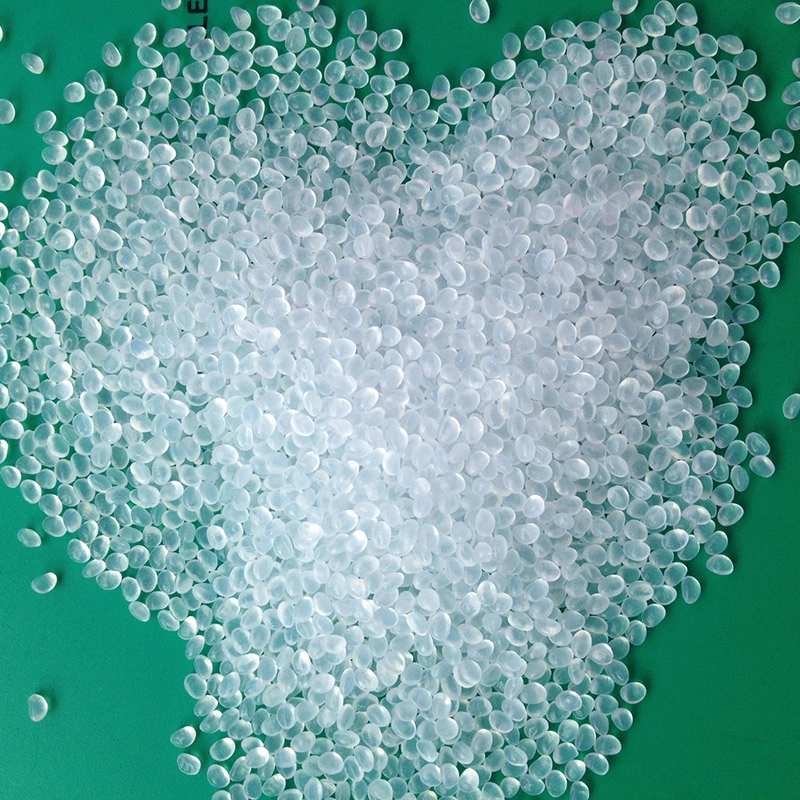
Polypropylene (PP) is a versatile thermoplastic polymer produced through the polymerization of propylene monomers. Based on different manufacturing technologies, PP can be produced through five major processes: solution polymerization, slurry polymerization, bulk polymerization, gas-phase polymerization, and combined bulk-gas-phase polymerization. According to its molecular chain structure, polypropylene is generally classified into three main types: isotactic polypropylene (iPP), syndiotactic polypropylene (sPP), and atactic polypropylene (aPP). Among these, isotactic PP is the most widely used commercial grade, accounting for the vast majority of global polypropylene applications due to its excellent mechanical strength, chemical resistance, and overall processing performance.
Atactic polypropylene is commonly used in adhesives, additives, and polymer modifiers. Its high viscosity, favorable flow properties, and excellent coating characteristics make it a suitable material for modified masterbatch production and various industrial formulations. Syndiotactic polypropylene, on the other hand, is valued for its good transparency, toughness, and flexibility. Compared with isotactic PP, it generally exhibits lower stiffness and hardness, offering greater potential for applications requiring enhanced flexibility and elasticity. It can also be vulcanized and modified to produce elastomeric materials with attractive mechanical properties for specialty applications.
Although the relatively high production cost of syndiotactic polypropylene remains a challenge for wider commercial adoption, its distinctive structural characteristics and material properties offer considerable opportunities for future development. With growing demand for high-performance polymers and advanced material modification, syndiotactic PP is emerging as a promising polypropylene resin for specialty applications, innovative polymer blends, and next-generation modified materials.
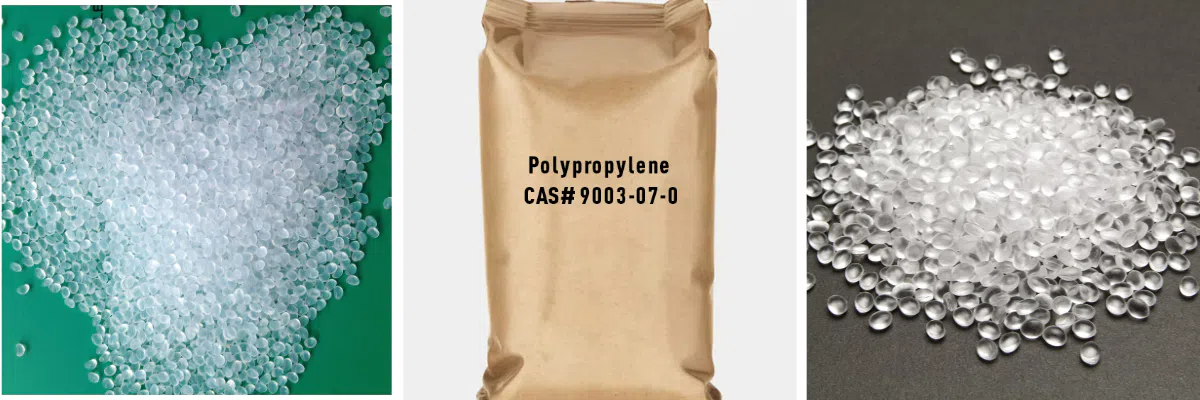
Polypropylene possesses outstanding processing performance and can be formed through multiple techniques to create a wide range of products for diverse applications. Injection-molded polypropylene is especially common, with general-purpose PP serving as the main material in everyday consumer items. In the automotive, home appliance, and industrial sectors, both pure and modified polypropylene are widely utilized. For instance, toughened PP is often used for automobile bumpers and wheel covers, while reinforced PP is applied in dashboards, steering wheels, fan blades, and handles.
English Name | Polypropylene |
English Synonyms | PROPYLENE RESIN;PROPYLENE, ISOTACTIC RESIN;POLYPROPYLENE;POLYPROPYLENE, ATACTIC;POLYPROPY LENE, PSS NANOREINFORCED;POLYPROPYLENE, ISOTACTIC;Polypropylene master batch,flame retarding;Po lypropylene,film grade |
CAS Number | 9003-07-0 |
Molecular Formula | C22H4203 |
Molecular Weight | 42.08 |
EINECS Number | 202-316-6 |
Melting point | 157 °C |
Boiling point | 120-132 °C |
Density | 0.9 g/mL at 25 °C (lit.) |
Refractive index | n20/D 1.49 (lit.) |
Flash point | >470 |
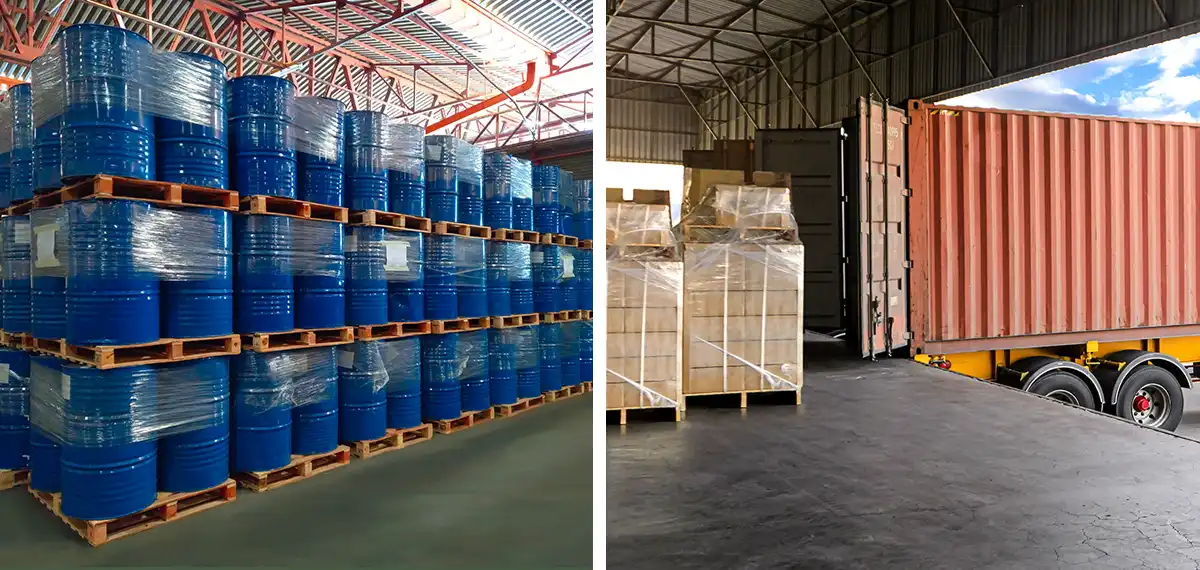
Storage conditions | -20°C |
Appearance | Particles (spherical) |
Color | red |
Odor (Odor) | Odorless |
Biological origin | human |
Merck | 137,663 |