
Product Description of Indigo (CAS No. 482-89-3)
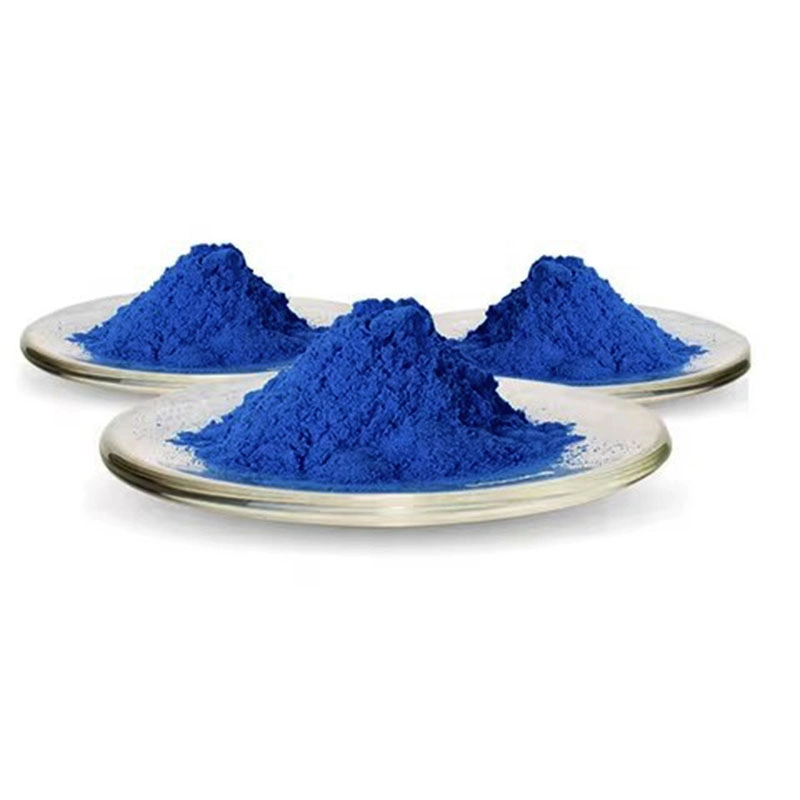
Indigo is a classic vat dye renowned for its deep blue color and remarkable historical significance. With a usage history extending over three millennia, it has played an important role in textile dyeing and cultural development worldwide.
The famous ancient Chinese phrase “blue extracted from bluegrass is even bluer than bluegrass” reflects the outstanding coloring ability of indigo compared with its botanical source. As a traditional dye material, indigo was widely applied long before the Qin and Han dynasties and continues to be valued today for its excellent color characteristics, stability, and unique cultural appeal.
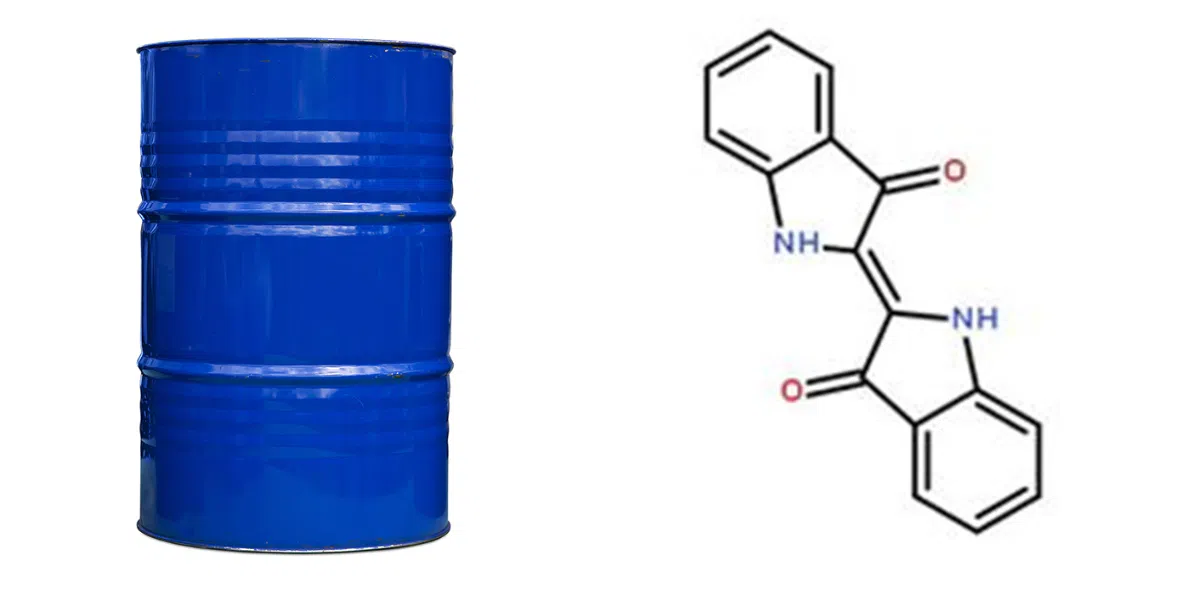
Indigo Chemical Properties
| Melting point | >300 °C(lit.) |
| Boiling point | 405.51°C (rough estimate) |
| Density | 1.01 g/mL at 20 °C |
| Vapor pressure | 0Pa at 100℃ |
| Refractive index | 1.5800 (estimate) |
| Fp | >220℃ |
| Storage temp. | Sealed in dry,Room Temperature |
| Solubility | DMSO (Slightly, Heated, Sonicated), DMF (Slightly) |
| Form | Powder |
| Colour Index | 73000 |
| Pka | -3.83±0.20(Predicted) |
| Color | Dark blue to violet |
| Water Solubility | <0.1 g/100 mL |
| Merck | 144,943 |
| BRN | 88275 |
| Stability | Stable. Incompatible with strong oxidizing agents. |
| InChIKey | COHYTHOBJLSHDF-BUHFOSPRSA-N |
| LogP | 2.7 at 23℃ |
| CAS DataBase Reference | 482-89-3(CAS DataBase Reference) |
| NIST Chemistry Reference | c.i. Vat blue 1(482-89-3) |
| EPA Substance Registry System | C.I. Vat Blue 1 (482-89-3) |
Safety Information
| Hazard Codes | Xi,Xn |
| Risk Statements | 36/38-36/37/38-48/20/21/22 |
| Safety Statements | 26-36 |
| RIDADR | UN 3264 8/PG 3 |
| WGK Germany | 1 |
| RTECS | DU2988400 |
| HS Code | 32041510 |
| Hazardous Substances Data | 482-89-3(Hazardous Substances Data) |
| Toxicity | LD50 oral in mouse: > 32gm/kg |
Product Application of Indigo (CAS No. 482-89-3)
Indigo is widely recognized as a traditional blue colorant with applications in food coloring and related industries. When used as a food additive, its application scope and dosage are regulated according to relevant food safety standards.
It can be utilized for coloring products such as red and green silk products, fruit juice and flavored beverages, carbonated drinks, prepared wines, confectionery, pastries, decorative food coatings, specially colored canned fruits, and pickled products. The permitted usage level varies depending on the specific food category to ensure safe and controlled application.
With its distinctive blue hue, excellent coloring performance, and long history of use, indigo remains an important color additive for achieving stable and attractive visual effects in various formulations.