
Product Description of Calcium Titanate (CAS No. 12049-50-2)
Calcium titanate (CaTiO₃) is an important inorganic ceramic compound belonging to the perovskite oxide family. With its unique crystal structure and excellent dielectric, thermal, mechanical, and optical properties, it has become a widely used functional material in advanced ceramic technologies.
Due to its high dielectric constant, thermal resistance, and chemical stability, calcium titanate is extensively utilized in the production of ceramic capacitors, PTC thermistor components, microwave communication devices, antenna materials, electronic filters, and specialized welding electrode formulations.
Its stable crystal structure and versatile performance make calcium titanate a valuable material for modern electronics, energy-related technologies, and high-performance ceramic applications.
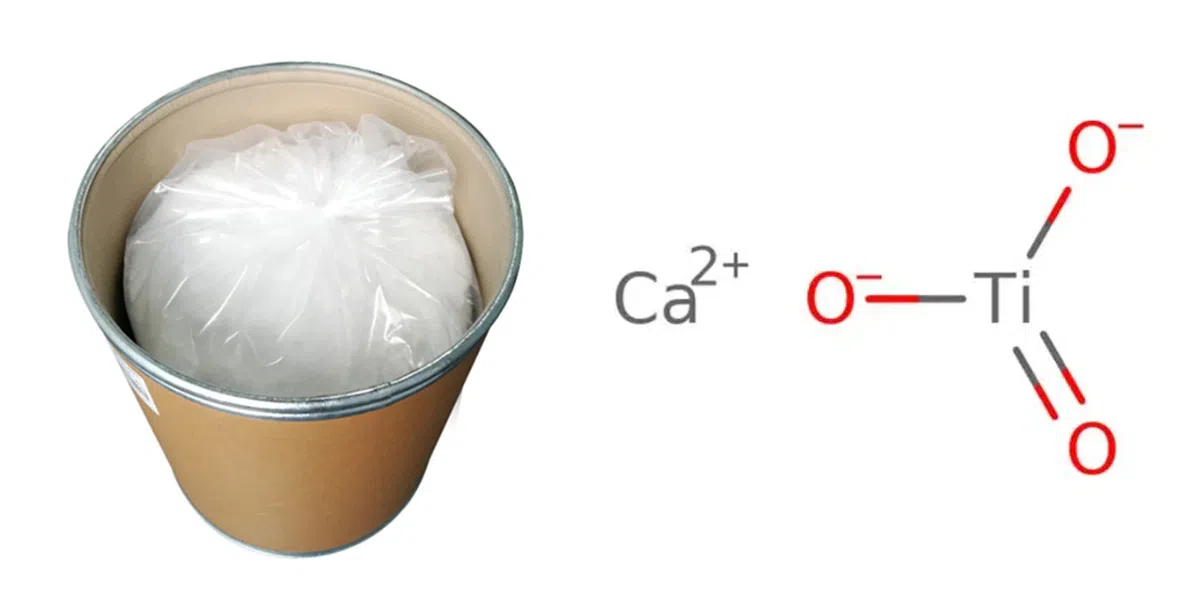
CALCIUM TITANATE Chemical Properties
| Melting point | 1975°C |
| density | 4.1 g/mL at 25 °C (lit.) |
| form | nanopowder |
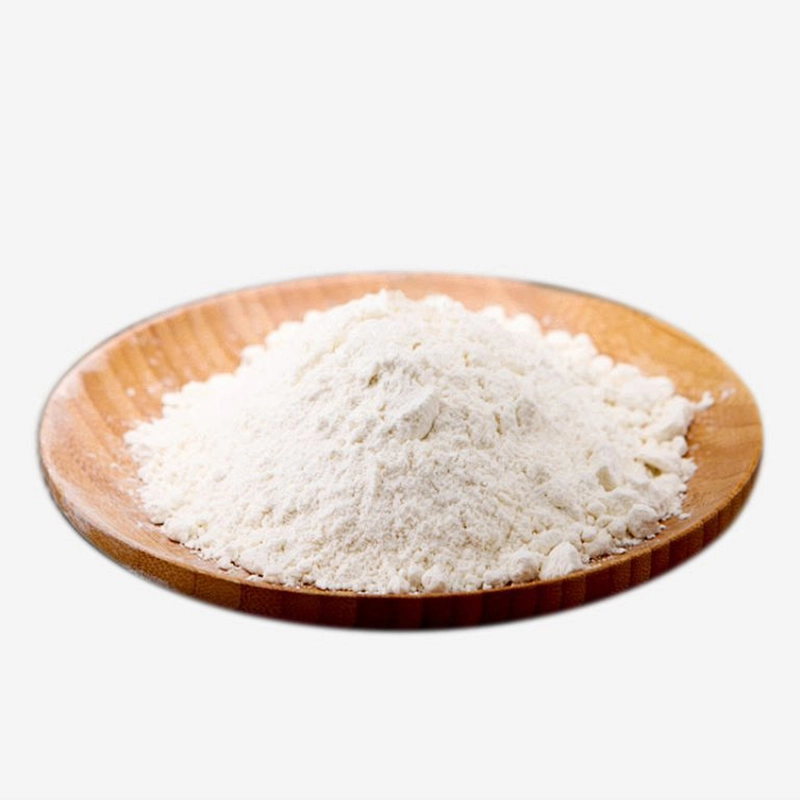
| color | Beige |
| Specific Gravity | 4.1 |
| Water Solubility | Insoluble in water. Soluble in oirganic and inorganic solution. |
| CAS DataBase Reference | 12049-50-2(CAS DataBase Reference) |
| EPA Substance Registry System | Calcium titanium oxide (CaTiO3) (12049-50-2) |
Product Application of Calcium Titanate (CAS No. 12049-50-2)
Calcium titanate (CaTiO₃) is a high-performance inorganic ceramic material with excellent dielectric properties, thermal stability, mechanical strength, and optical characteristics. Its unique perovskite crystal structure makes it an important functional material widely used in advanced electronic and ceramic industries.
With its superior electrical insulation and dielectric performance, calcium titanate is commonly applied in the manufacture of ceramic capacitors, PTC thermistor components, microwave dielectric devices, antenna materials, electronic filters, and stainless steel welding electrode coatings.
As the representative compound of the perovskite oxide family, calcium titanate provides a fundamental structural platform for the study and development of various inorganic functional materials. Its versatile crystal chemistry continues to support innovation in electronic ceramics, energy materials, and advanced material technologies.