

Product Description
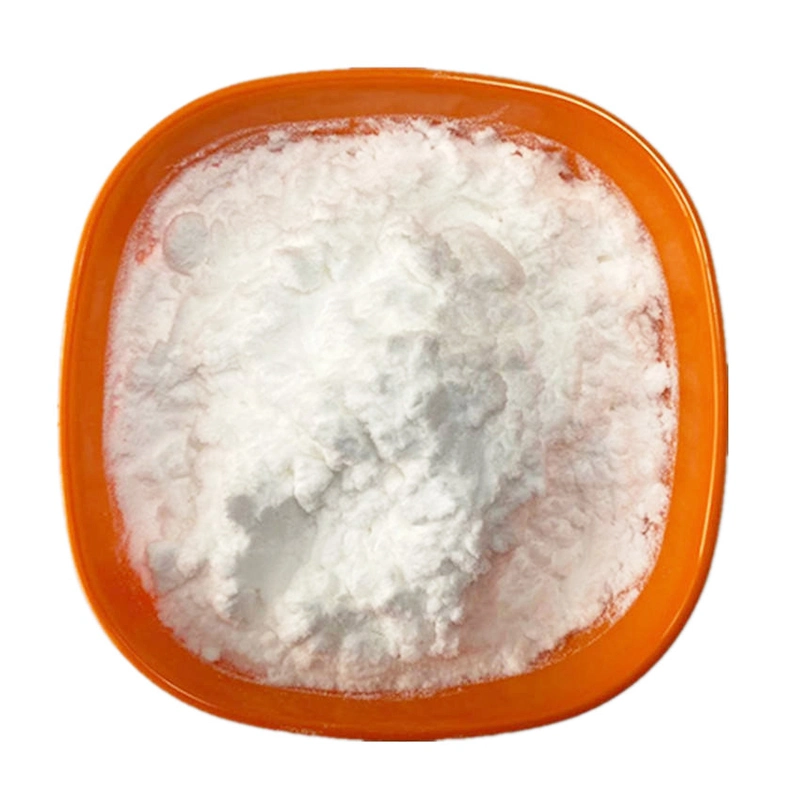
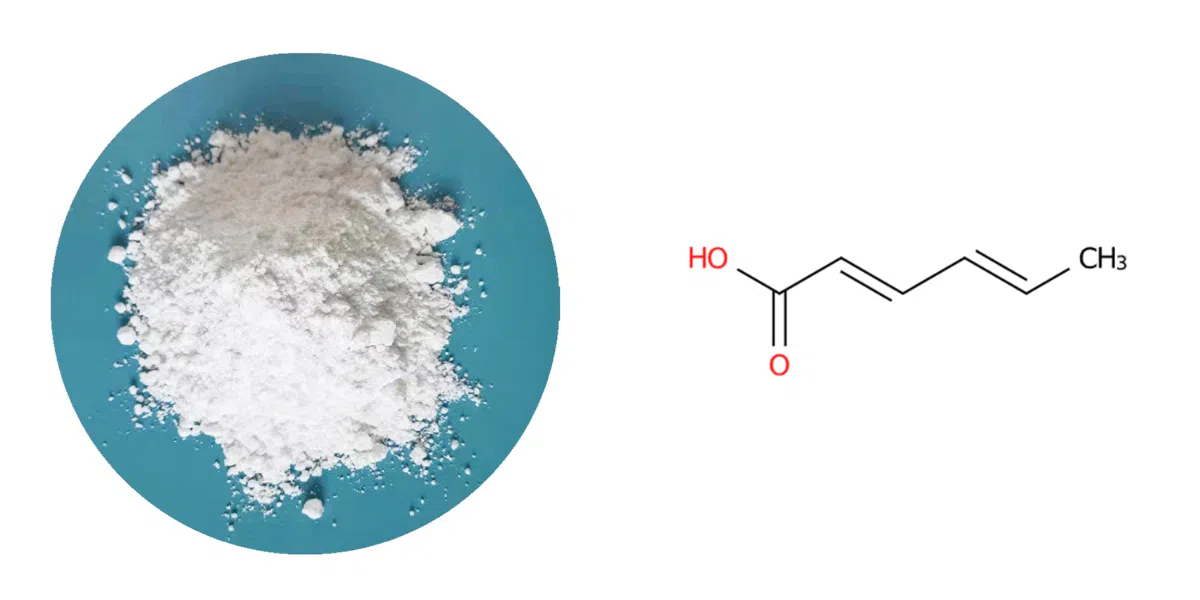
Sorbic acid (CAS No. 110-44-1), also known as 2,4-hexadienoic acid, is an unsaturated organic acid with the molecular formula C₆H₈O₂. It is a widely recognized preservative ingredient valued for its excellent antifungal properties and broad application potential.
Sorbic acid effectively inhibits the growth of microorganisms, particularly yeasts and molds, helping prevent spoilage and maintain the quality of various products. Due to its reliable preservation performance and favorable compatibility, it is extensively used in food preservation systems.
In addition to food applications, sorbic acid serves as a functional ingredient in animal feed, cosmetic formulations, pharmaceutical products, packaging materials, and rubber additives. Its stability and multifunctional properties make it an important raw material across multiple industries.
With its excellent antimicrobial performance, wide compatibility, and proven application value, sorbic acid continues to be an essential preservative material for food, healthcare, and industrial manufacturing sectors.
Sorbic acid Chemical Properties
| Melting point | 132-135 °C (lit.) |
| Boiling point | 228°C |
| density | 1.2 g/cm3 at 20 °C |
| vapor pressure | 0.01 mm Hg ( 20 °C) |
| refractive index | 1.4600 (estimate) |
| FEMA | 3921 | 2,4-HEXADIENOIC ACID, (E,E)- |
| Fp | 127 °C |
| storage temp. | 2-8°C |
| solubility | ethanol: 0.1 g/mL, clear |
| pka | 4.76(at 25℃) |
| form | Crystalline Powder |
| color | White or cream-white |
| Odor | bland |
| PH | 3.3 (1.6g/l, H2O, 20°C) |
| biological source | synthetic |
| Water Solubility | 1.6 g/L (20 ºC) |
| Merck | 148721 |
| JECFA Number | 1176 |
| BRN | 1741831 |
| Henry's Law Constant | 3.3×101 mol/(m3Pa) at 25℃, Abraham and Jr. (2019) |
| Stability: | Material saturated with this acid may ignite spontaneously. Incompatible with strong oxidizing agents. May be light sensitive. |
| Major Application | cleaning products |
| cosmetics | |
| flavors and fragrances | |
| food and beverages | |
| personal care | |
| Cosmetics Ingredients Functions | PRESERVATIVE |
| FRAGRANCE | |
| InChI | 1S/C6H8O2/c1-2-3-4-5-6(7)8/h2-5H,1H3,(H,7,8)/b3-2+,5-4+ |
| InChIKey | WSWCOQWTEOXDQX-MQQKCMAXSA-N |
| SMILES | C\C=C\C=C\C(O)=O |
| LogP | 1.32 at 20℃ |
| CAS DataBase Reference | 110-44-1(CAS DataBase Reference) |
| NIST Chemistry Reference | 2,4-Hexadienoic acid, (E,E)-(110-44-1) |
| EPA Substance Registry System | Sorbic acid (110-44-1) |
Safety Information
| Hazard Codes | Xi |
| Risk Statements | 36/37/38-36/38 |
| Safety Statements | 26-36-24/25 |
| WGK Germany | 1 |
| RTECS | WG2100000 |
| F | 8 |
| Autoignition Temperature | >130 °C |
| TSCA | TSCA listed |
| HS Code | 29161930 |
| Storage Class | 11 - Combustible Solids |
| Hazard Classifications | Eye Irrit. 2 |
| Skin Irrit. 2 | |
| Hazardous Substances Data | 110-44-1(Hazardous Substances Data) |
| Toxicity | LD50 orally in rats: 7.36 g/kg (Smyth, Carpenter) |
Applications of Sorbic Acid CAS No. 110-44-1
Sorbic acid is a widely used preservative with excellent antifungal properties and low toxicity characteristics. It is particularly effective against molds and yeasts, making it a valuable ingredient for maintaining product stability and extending shelf life across various industries.
Cosmetic and Personal Care Applications
In cosmetic formulations, sorbic acid is commonly used as a preservative to help prevent microbial contamination and improve product stability. It is suitable for applications such as emulsions, creams, and ointments, where its effectiveness is influenced by the pH conditions of the formulation. Typical usage levels are generally within a low concentration range to achieve effective preservation.
Food and General Preservation Applications
Due to its strong inhibitory effect on fungal growth, sorbic acid is widely applied in food preservation systems to help maintain freshness and product quality. It is especially effective in controlling mold and yeast growth.
Natural and Synthetic Sources
Sorbic acid can be obtained from natural sources, including the berries of certain plants such as mountain ash and rowan trees. It is also commercially produced through synthetic manufacturing processes to meet industrial demand.
Formulation Compatibility and Performance
With its broad compatibility and reliable preservative performance, sorbic acid is used in a variety of formulations. While generally considered a safe and effective preservative, proper formulation design and concentration control are important to ensure optimal performance and product compatibility.
With its excellent antifungal activity, low usage level requirements, and versatile application potential, sorbic acid remains an important preservative ingredient in food, cosmetics, and specialty formulations.