
Product Description
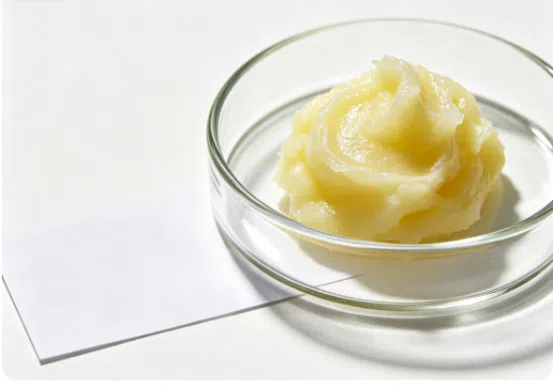
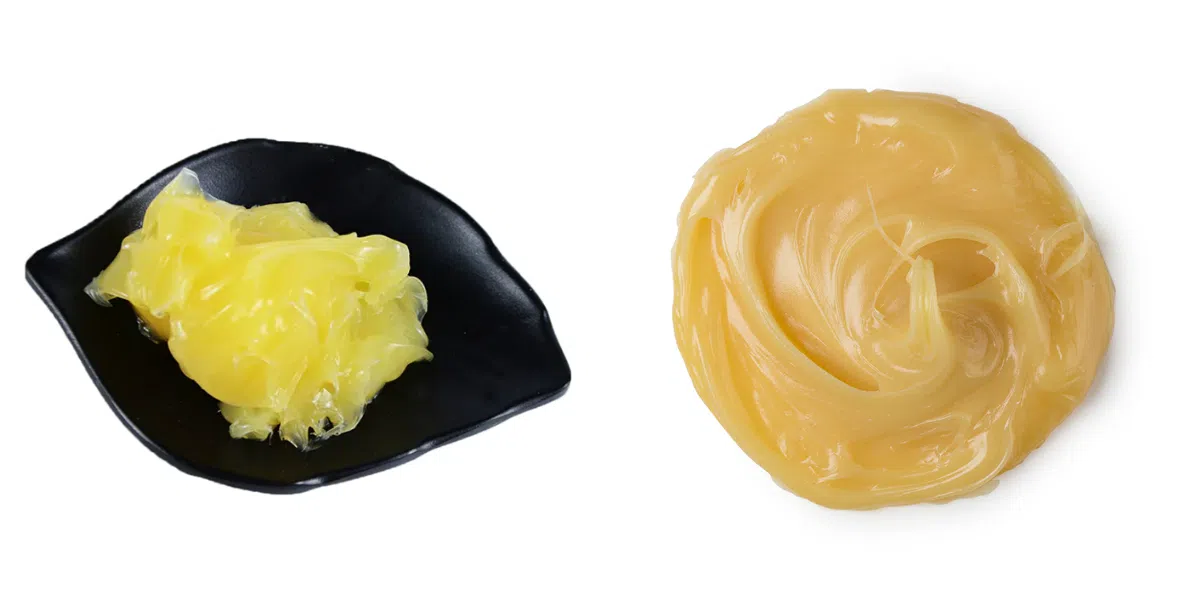
Lanolin (CAS No. 8006-54-0) is a natural waxy substance secreted by the sebaceous glands of sheep and stored in their wool. Its composition closely resembles human skin lipids, giving it excellent moisturizing, protective, and conditioning properties.
Although commonly known as “wool fat,” lanolin differs from traditional animal fats as it does not contain triglycerides. Its primary role in nature is to nourish and protect sheep’s wool, helping maintain softness and resistance to environmental factors.
Lanolin is typically extracted from freshly sheared wool through processes such as washing and centrifugation, which separate the valuable wax components from impurities without causing harm to the animals. Due to its outstanding skin-conditioning properties, lanolin is extensively used in cosmetics, skincare products, hair conditioners, lip care formulations, and other personal care applications.
| Product Name: | Lanolin |
| Synonyms: | WOOL FAT;ADEPS LANAE;BASE, LANOLIN OINTMENT, HYDRATED, HYDROPHILIC;BASE, LANOLIN OIL AND CARBAMIDE OINTMENT, HYDRATED, HYDROPHILIC;HYPOALLERGENIC LANOLIN;LANOLIN DEHYDRATE;LANOLIN OIL;LANOLIN HYDROUS |
| CAS: | 8006-54-0 |
| MF: | N/A |
| MW: | 0 |
| EINECS: | 232-348-6 |
| Product Categories: | Steroids;Cosmetics;8006-54-0 |
| Mol File: | Mol File |
Lanolin Chemical Properties
| Melting point | 38-40 °C |
| Density | 0.932-0.945 g/cm3(Temp: 15 °C) |
| Fp | 209 °C |
| Storage temp. | Sealed in dry,Room Temperature |
| Solubility | chloroform: 0.1 g/mL, clear to faintly turbid (<29 NTU), strongly yellow-green |
| Form | Adhering Crystals or Powder |
| Color | White to yellow |
| Odor | Characteristic |
| Water Solubility | Soluble in ether, petroleum ether, chloroform and petroleum benzene. Sparingly soluble in ethanol. Insoluble in water. |
| Merck | 145,358 |
| Dielectric constant | 4.2(Ambient) |
| EPA Substance Registry System | Lanolin (8006-54-0) |
Product Usage of Lanolin CAS No. 8006-54-0
Lanolin is a natural wax-based ingredient widely used in skincare, cosmetics, and personal care formulations due to its excellent emollient, moisturizing, and emulsifying properties.
Moisturizing and Skin Conditioning Applications
As an effective emollient, lanolin helps soften and smooth the skin by improving moisture retention. Its unique water-absorbing ability allows it to provide long-lasting hydration and enhance the conditioning performance of cosmetic formulations.
Emulsification and Formulation Benefits
Unlike petrolatum, which primarily creates an occlusive barrier on the skin surface, lanolin forms a flexible and breathable protective layer that helps maintain skin moisture while allowing natural skin functions to continue. This makes it a valuable ingredient in creams, lotions, lip balms, and other moisturizing products.
Cosmetic Safety and Quality Development
Extensive studies have shown that adverse reactions to lanolin are relatively uncommon. With increasing demand for high-quality cosmetic ingredients, manufacturers are continuously improving purification technologies to produce low-residue and highly refined lanolin grades suitable for sensitive and premium skincare formulations.
Applications in Advanced Skincare Products
Concerns regarding the potential comedogenic properties of lanolin continue to be reviewed, with research suggesting that its performance may vary depending on formulation type and concentration. When properly incorporated into emulsified products, lanolin can provide excellent skin nourishment and protection.
Natural Source and Sustainability
Lanolin is obtained from sheep’s wool through a refining process after shearing. As a natural wax secreted by sheep’s sebaceous glands, it offers a renewable source of functional lipids for cosmetic and personal care industries.
Due to its outstanding moisturizing ability, skin compatibility, and multifunctional performance, lanolin remains an important ingredient in high-performance skincare, haircare, and cosmetic formulations.