
Products Description
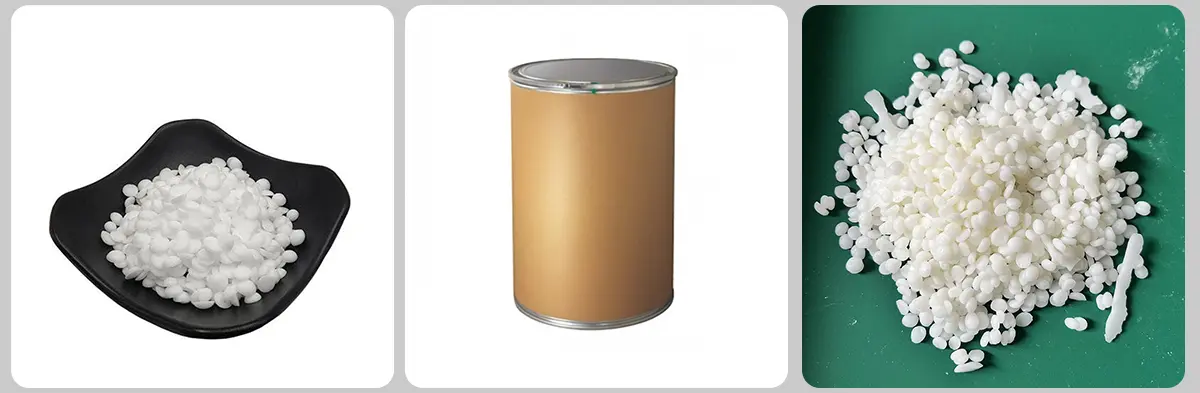
Cetostearyl alcohol appears as white granules, flakes, or solid blocks with a characteristic greasy odor. Upon melting, it becomes a clear, oily liquid. It is readily soluble in ethanol but is nearly insoluble in water.
CETEARYL ALCOHOL Chemical Properties
| Property | Specification |
|---|---|
| English Name | CETEARYL ALCOHOL |
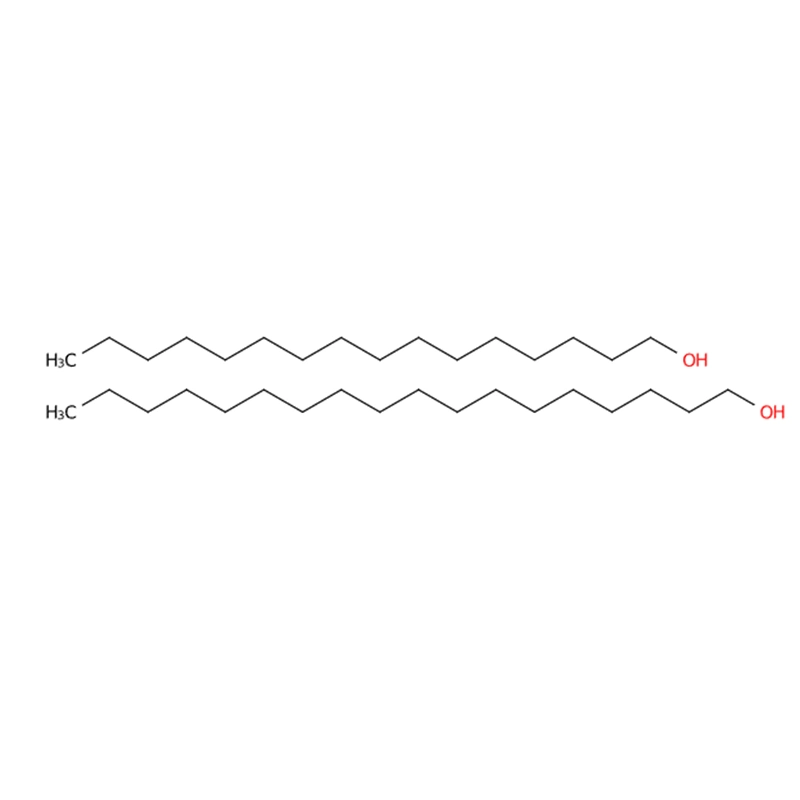
| English Synonyms | LANETTE AOK; CETYL ALCOHOL - STEARYL ALCOHOL; CETYLSTEARYL ALCOHOL; hexadecan-1-ol, octadecan-1-ol; CETOSTEARYL ALCOHOL; C16-C18 n-Hexadecyl-stearyl alcohol (mixed); CETOSTEARYL ALCOHOL, NF; DEHYQUARTD |
| CAS Number | 8005-44-5 |
| Molecular Formula | C16H34O(原文写作 C16H340,疑为 O 误作 0) |
| Molecular Weight | 242.44 |
| EINECS Number | 267-008-6 |
| Solubility | Soluble in ethanol (95%), ether, and oil; practically insoluble in water. |
| InChI | InChI=1S/C18H38O.C16H34O/c1-2-3-4-5-6-7-8-9-10-11-12-13-14-15-16-17-18-19;1-2-3-4-5-6-7-8-9-10-11-12-13-14-15-16-17/h19H,2-18H2,1H3;17H,2-16H2,1H3 |
| InChIKey | UBHWBODXJBSFLH-UHFFFAOYSA-N |
| SMILES | C(O)CCCCCCCCCCCCCCC.C(O)CCCCCCCCCCCCCCCCC |
| CAS DataBase Reference | 8005-44-5 |
Product Application of CETEARYL ALCOHOL CAS#8005-44-5
Preparation process: Coconut oil is continuously hydrogenated using a copper–chromium catalyst to produce a mixed C8–C18 fatty alcohol. During this process, the glycerol component of the oil is converted into isopropanol and water through hydrogenation.
The resulting mixed fatty alcohol is first evaporated under atmospheric pressure to remove water and isopropanol, then subjected to vacuum distillation to separate C8–C10, C12–C14, and C16–C18 alcohol fractions. Relevant safety data, MSDS information, and upstream and downstream product details for cetostearyl alcohol are available.