

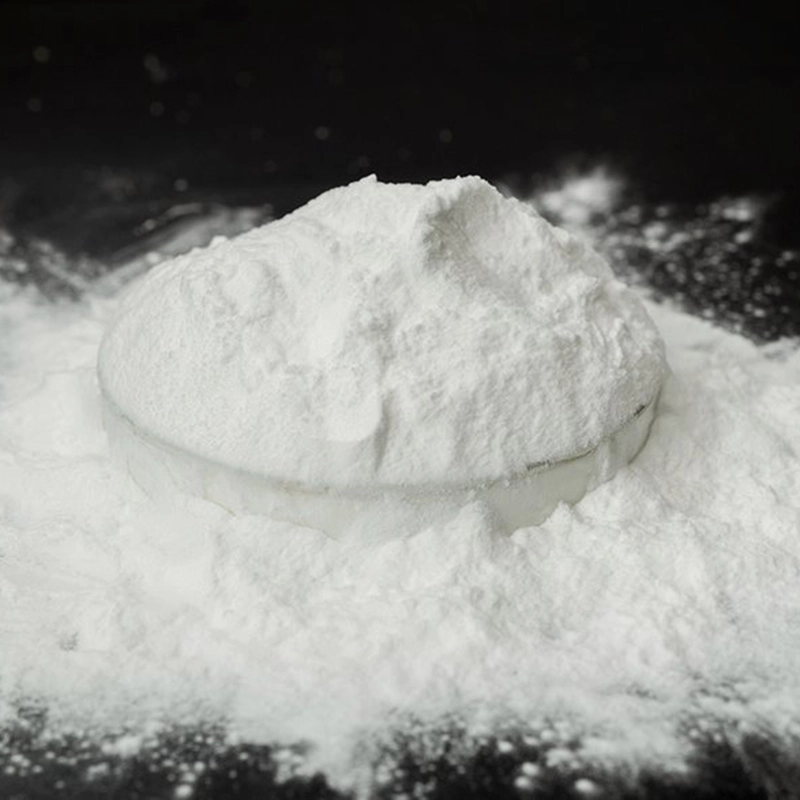
Lysozyme is a naturally occurring enzyme belonging to the glycoside hydrolase family, widely distributed in animal tissues, organs, and various biological fluids. It can be found in tears, nasal secretions, cervical mucus, and bird egg whites. Known for its antibacterial properties, lysozyme works by hydrolyzing specific glycosidic bonds in the peptidoglycan layer of bacterial cell walls, weakening their structural integrity and contributing to bacterial cell lysis. Due to its natural origin and effective antimicrobial activity, lysozyme is widely studied and utilized in pharmaceutical research, food preservation, biotechnology, and other specialized applications.
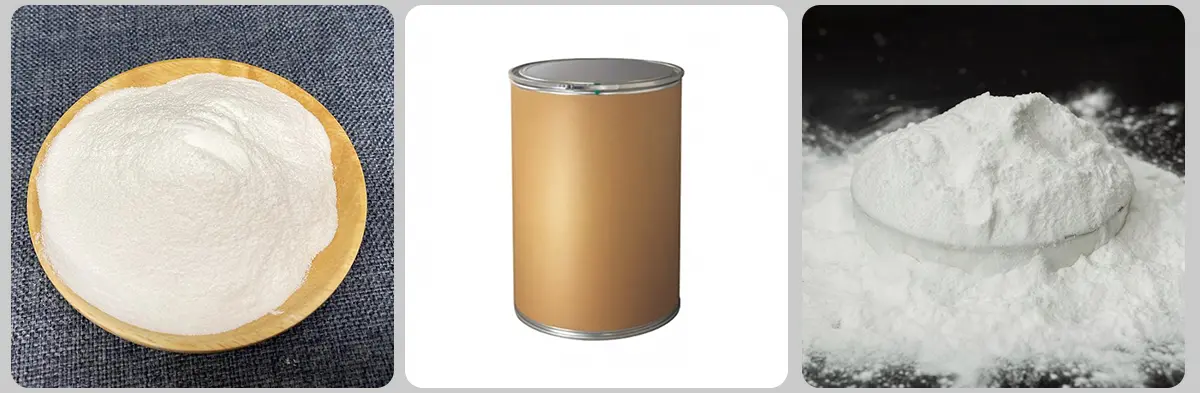
Parameters
| vapor pressure | 0Pa at 25℃ |
| storage temp. | -20°C |
| form | powder |
| color | white |
| PH | pH(15g/l, 25℃) : 3.0~5.0 |
| biological source | chicken egg white |
| Water Solubility | Soluble in water at 10mg/ml. |
| Specific Activity | 8000-120000U/mg |
| Absorption | 3.9 at 280nm (10 mg enzyme/ml) |
Safety Information
| Hazard Codes | B |
| Safety Statements | 23-24/25-22 |
| WGK Germany | 3 |
| RTECS | OL5989850 |
| F | 3-10 |
| HS Code | 35079090 |
| Toxicity | mouse,LD50,intraperitoneal,5800mg/kg (5800mg/kg),BEHAVIORAL: CHANGES IN MOTOR ACTIVITY (SPECIFIC ASSAY)LUNGS, THORAX, OR RESPIRATION: RESPIRATORY DEPRESSIONBEHAVIORAL: ATAXIA,Oyo Yakuri. Pharmacometrics. Vol. 21, Pg. 587, 1981. |

Lysozyme catalyzes the hydrolysis of peptidoglycans in bacterial cell walls. It is employed in the production of spheroplasts and acts as a preservative to inhibit the growth of various food spoilage microorganisms.